
Patients
2017
No user ratings available yet
Diversity score: 6.5 out of 10
2011
Director
Lena Koppel
Runtime
96 minutes
Average Rating
No ratings yetSynopsis
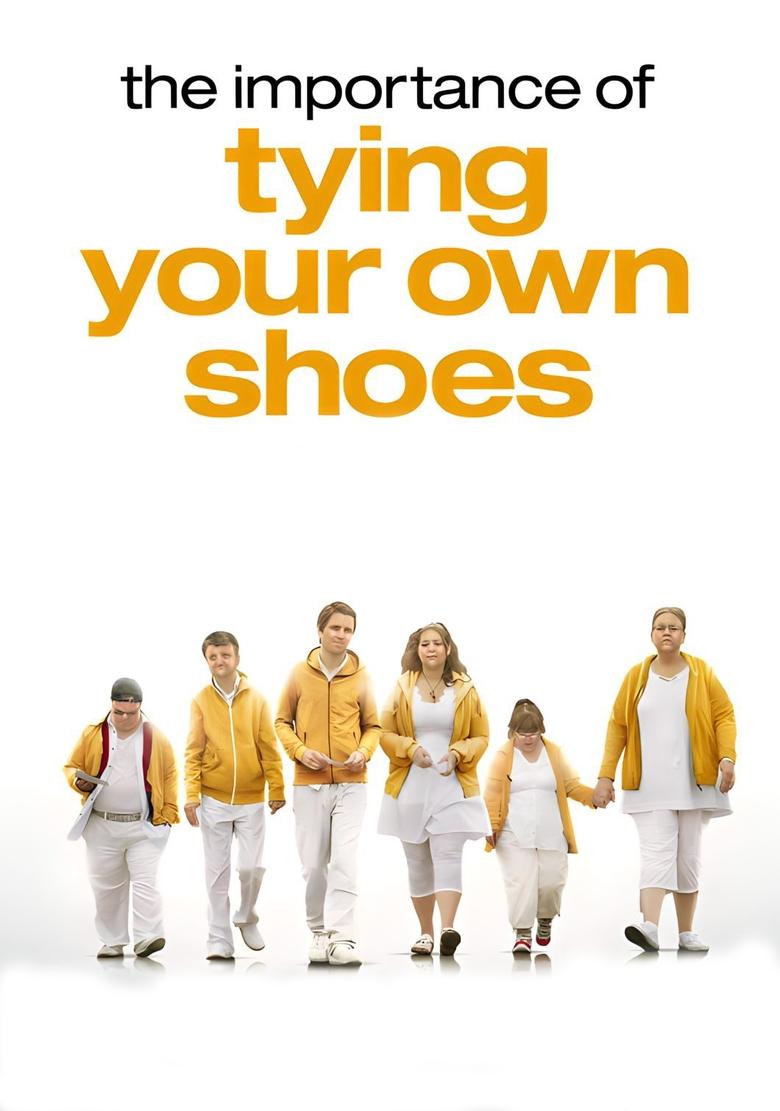
Alex's high opinion of himself isn't backed up by reality as he is unemployed and having trouble with his girlfriend. When he finally gets a job with the local council/municipality of Hudiksvall his life is about to change. Suddenly Alex finds himself the leader of a local theatre group of people with learning difficulties. Through their work together, Alex comes to appreciate that we all have our own talents which can grow if given the opportunity and support. "The Importance of Tying Your Own Shoes" is based on the work of the Glada Hudik Theatre whose performances have met with success in Sweden and internationally since it was formed in 1996.
Overall Score
Good
Category Breakdown
LGBTQ+ Representation
The narrative focuses on the protagonist's existing relationship struggles. There is no explicit depiction of LGBTQ+ identities or non-heteronormative dynamics present in the story.
Gender Representation
The film centers on a male protagonist's emotional maturation. It suggests a deconstruction of stoic masculine archetypes by shifting his focus toward empathy and supportive leadership.
Racial & Ethnic Diversity
The setting in Hudiksvall, Sweden, suggests a cast reflecting regional demographics. There is no evidence of significant racial blending or color-blind casting within this context.
Religious & Cultural Diversity
The film critiques rigid Western meritocracy by celebrating marginalized talents. It frames social integration as a way to dismantle institutional definitions of competence.
Disability Representation
This is the film's core strength. It grants agency to characters with learning difficulties, allowing neurodiverse individuals to drive their own artistic narratives and professional success.
Strengths
Areas for Improvement
AI Analysis
The film excels by centering neurodiverse capability rather than treating disability as a peripheral issue. By basing the story on the Glada Hudik Theatre, it provides a realistic look at how non-standard talents thrive through communal support. While the film is a powerful exploration of social integration, it remains limited in its engagement with other identity markers. The narrative lacks explicit representation of LGBTQ+ identities or significant racial diversity, reflecting a more homogeneous regional focus. Ultimately, the work succeeds as a critique of traditional success metrics. It moves beyond individualistic achievement to highlight the value of collective, inclusive creativity.
2017

2021

2015
2020
2013

2014

2018
2010

2023

2016

2009

2013
No reviews yet. Be the first to share your thoughts on this movie!
Use the rating form above to leave a star rating and optional review.