
Prince of Foxes
1949
No user ratings available yet
Representation score: 1.1 out of 10

Representation Score
Limited
1955
NRDirector
Terence Young
Runtime
100 minutes
Average Rating
No ratings yetNew Showbiz Analysis
That Lady is a quintessential product of mid-century cinema, prioritizing classical melodrama and star power over social critique. The narrative relies on established hierarchies and traditional romantic structures to drive its plot. While the film features a central female protagonist, her influence remains tied to her position within a male-dominated political landscape. The setting and casting reinforce a narrow, homogeneous European worldview typical of 1950s historical adventures. Ultimately, the film lacks depth in addressing multiple aspects of identity, focusing instead on traditional power dynamics and romantic tension.
Category Breakdown
The film focuses on a traditional romantic rivalry between men for a female lead. It does not depict same-sex intimacy or non-traditional gender identities.
Although the main character is female, her role is largely defined by her desirability. She fits into traditional female archetypes like the femme fatale or woman in peril.
The cast is almost entirely made up of white European actors. The film presents a homogeneous European perspective without including diverse racial backgrounds.
This period piece reinforces traditional social structures like royalty and nobility. It operates within conventional Western historical frameworks without questioning religious influence.
The film does not depict any physical or neurodivergent disabilities.
Present on Screen
Limited or Absent
Official Synopsis
In 1570, widowed Princess Ana de Mendoza becomes the love object of a deadly rivalry between her cousin Don Inigo, King Philip II of Spain and his secretary of state Antonio Perez.
1949
1940
1958
1964
1955
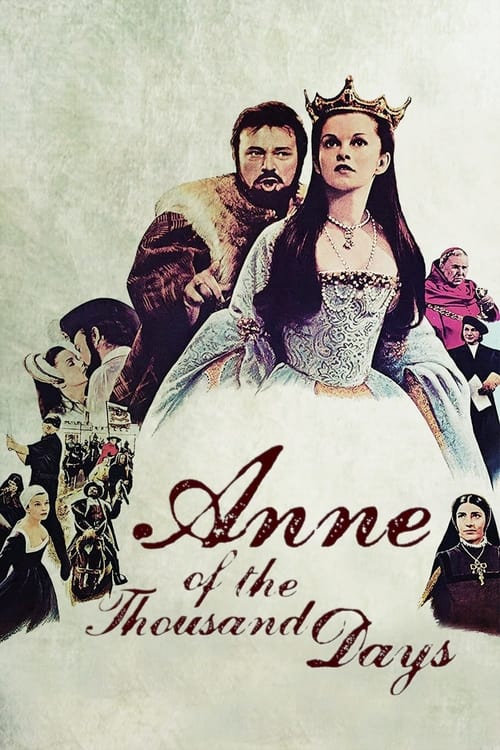
1969
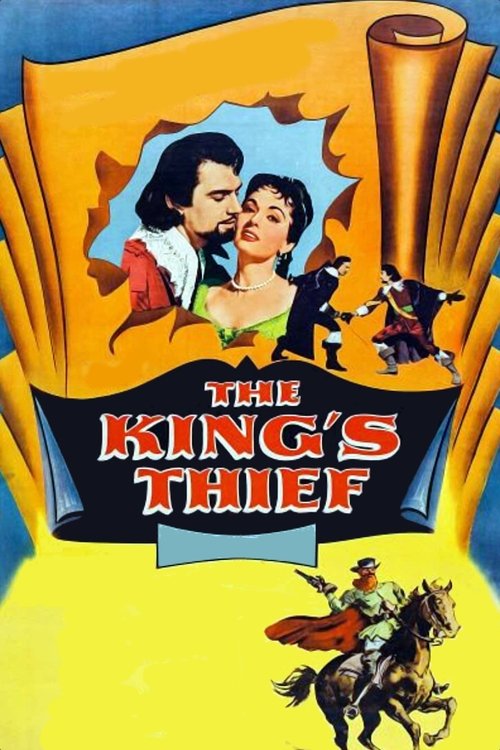
1955
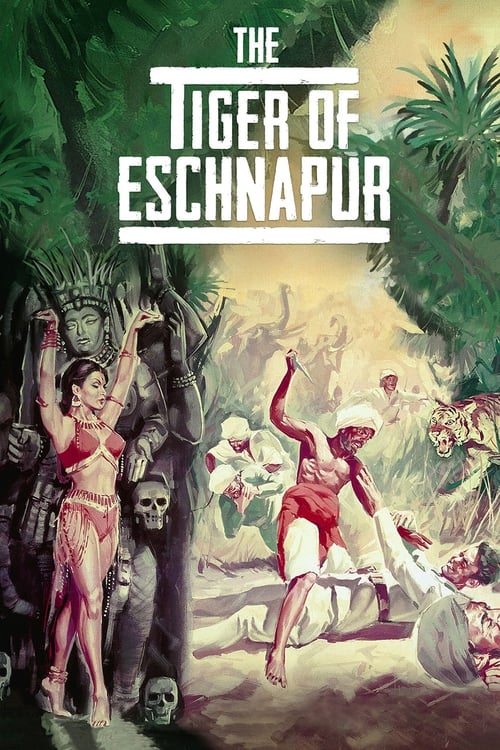
1959
No reviews yet. Be the first to share your thoughts on this movie!
Use the rating form above to leave a star rating and optional review.