
Love, etc.
1996
No user ratings available yet
Representation score: 4.1 out of 10

Representation Score
Minimal
1989
Director
Claude Zidi
Runtime
113 minutes
Average Rating
No ratings yetNew Showbiz Analysis
Deux is a traditional romantic comedy that relies heavily on well-established genre clichés. The narrative centers on romantic rivalry and interpersonal dynamics within a contemporary Parisian context, adhering to the social norms of its time. The film operates within a narrow framework, focusing on heterosexual romance and middle-class domestic life. It does not aim to disrupt traditional social hierarchies or include diverse perspectives. Overall, the film offers a conventional comedic look at romantic competition without much representation for underrepresented groups or systemic critiques.
Category Breakdown
The film does not include any LGBTQ+ characters or explore non-straight identities. All romantic conflicts are between heterosexual couples.
The female lead is portrayed as an object of desire rather than a main driver of the plot. The story emphasizes a male-dominated rivalry that upholds traditional gender roles.
The cast is predominantly white, reflecting the typical French comedy of the late 1980s. There is no significant diversity in the cast.
The story follows a standard Western framework, emphasizing middle-class social norms. It reinforces traditional views on dating and family life.
There is no representation of physical, sensory, or neurodivergent disabilities among the main characters.
Present on Screen
Limited or Absent
Official Synopsis
The manager of a contemporary music composer falls in love with the real estate agent with whom he is looking for a house in Paris. But both have been used to living an independent life: they want to marry but at the same time, are afraid of marriage
1996
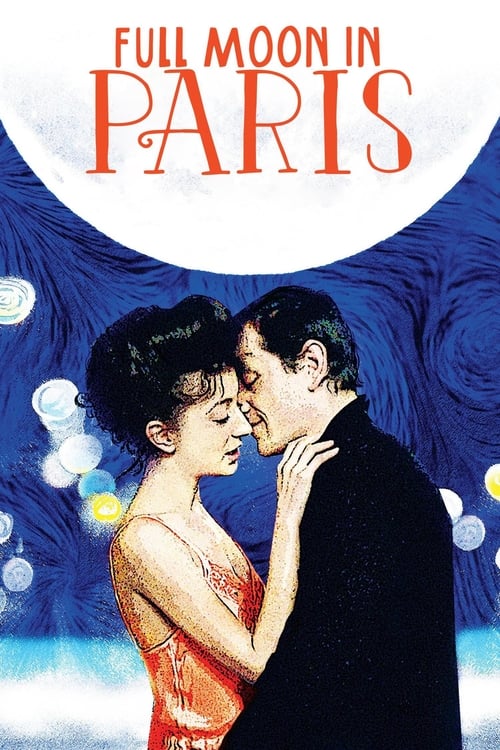
1984
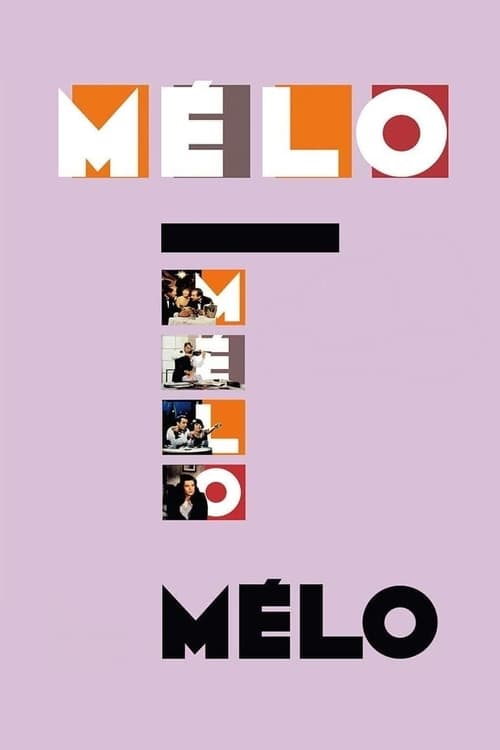
1986
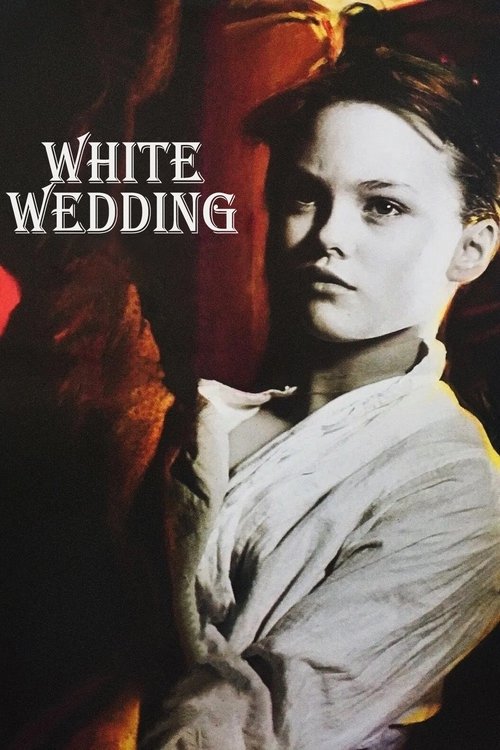
1989

1998

2000

2006

1995
No reviews yet. Be the first to share your thoughts on this movie!
Use the rating form above to leave a star rating and optional review.