
Top Gear: The Great African Adventure
2013
No user ratings available yet
Representation score: 0.7 out of 10
Representation Score
Limited
2011
TV-MADirector
Phil Churchward
Runtime
76 minutes
Average Rating
No ratings yetNew Showbiz Analysis
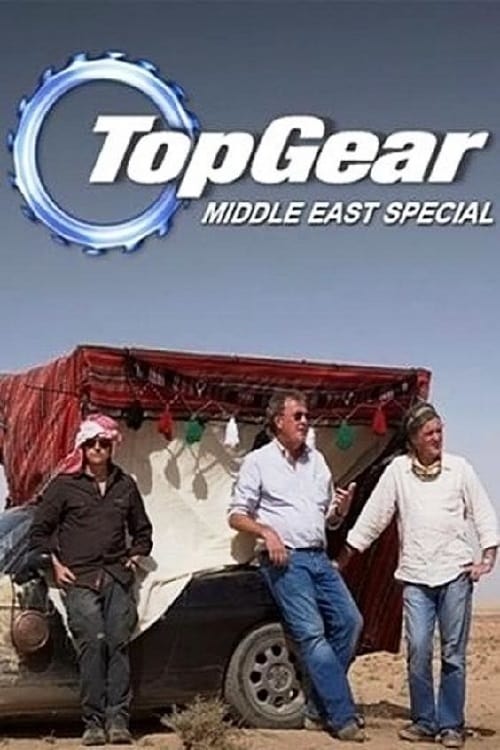
Top Gear: The Great Adventures 4 operates as a traditional travelogue, emphasizing geographical and logistical challenges over character-driven social commentary. The documentary format restricts the depth of characters who reflect more than one aspect of diversity, focusing instead on the transit through Middle Eastern landscapes. While the film highlights non-Western regions, it lacks intentional portrayal of diverse identities. The representation of local people is observational rather than active or actively leading. Ultimately, the film adheres to conventional adventure structures. It captures the scale of a 1,200-mile journey but does not challenge established cultural or social hierarchies.
Category Breakdown
The film does not include any LGBTQ+ characters or stories related to sexual orientation. The focus is solely on the journey and the route itself.
The film emphasizes masculine adventure themes typical of road-trip movies. It does not feature female protagonists or challenge traditional gender roles.
The film showcases diverse ethnic landscapes in Kurdistan, Syria, and Jordan. However, the representation of local people is limited to passive observation.
The film recreates the journey of the Three Wise Men and explores Middle Eastern cultures. It presents these cultures primarily from a Western perspective.
The film does not depict individuals with physical or neurodivergent disabilities.
Present on Screen
Limited or Absent
Official Synopsis
The film predates the Syrian Civil War and involves a 1,200-mile (1,900 km) road-trip from Erbil International Airport in Iraqi Kurdistan to Bethlehem, nominally recreating the journey of the Three Wise Men. Their journey takes them across the Middle East via southern Turkey, the cities of Aleppo, Palmyra and Damascus in Syria, then Jerash in Jordan and finally the Mount of Olives. The journey includes visiting an abandoned theme park, and a stop at Ein Gev on the Sea of Galilee.
2013

2014
2012
2008
2010
2007
2014

2014
No reviews yet. Be the first to share your thoughts on this movie!
Use the rating form above to leave a star rating and optional review.