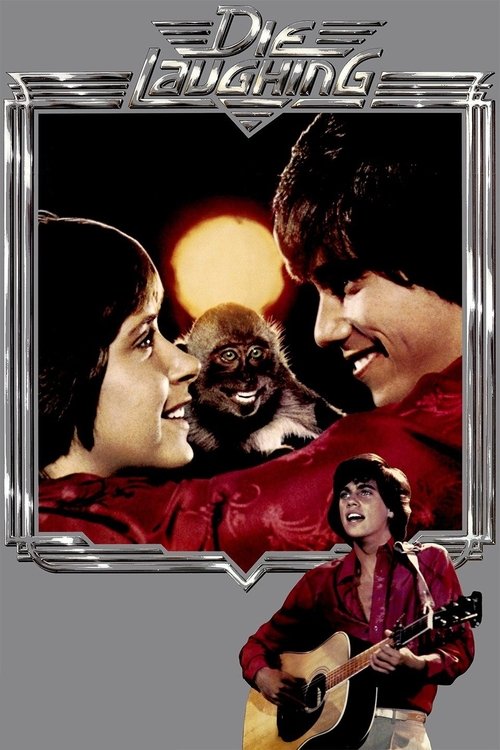
Die Laughing
1980
No user ratings available yet
Representation score: 3.2 out of 10

Representation Score
Fair
1979
Not RatedDirector
Kazuhiko Hasegawa
Runtime
147 minutes
Average Rating
No ratings yetNew Showbiz Analysis
The Man Who Stole the Sun is a genre-driven exploration of individual ability to act against systemic disruption. It succeeds in its cultural critique, using a underrepresented science teacher to deconstruct social hierarchies and institutional stability. However, the film lacks multi-layered depth. There is a notable absence of visible representation regarding LGBTQ+ identities and gendered power dynamics, as the focus remains strictly on the male protagonist's technical and social rebellion. Ultimately, the film's impact lies in its narrative structure, which prioritizes the subversion of authority and the tension between the individual and the state over diverse character demographics.
Category Breakdown
The film does not include any explicit references to LGBTQ+ identities or queer narratives. The story revolves around the protagonist's social isolation and his technical mission, rather than focusing on his sexual orientation.
The story centers on a male protagonist dealing with social ridicule. It does not explicitly address gendered power dynamics or elevate female intellect.
This 1979 Japanese production features a predominantly Japanese cast operating within its cultural context. It neither promotes nor penalizes specific racial hierarchies.
The story challenges traditional institutions through the protagonist's rejection of social norms. He uses forbidden knowledge to disrupt state-sanctioned order, highlighting a strong anti-establishment stance.
There is no mention of characters with physical, neurodivergent, or mental health disabilities in the narrative.
Present on Screen
Limited or Absent
Official Synopsis
A high school science teacher is the butt of all his students' jokes, until their bus is hijacked on a school trip. But something more sinister lurks beneath the surface: he's building an atomic bomb in his apartment.
1980
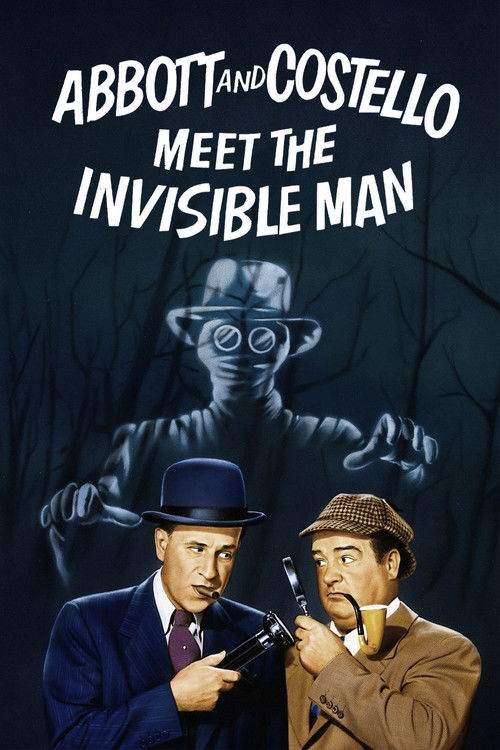
1951
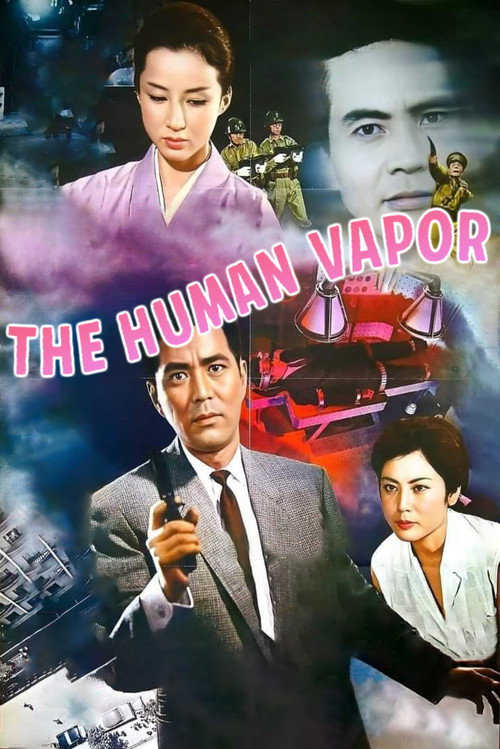
1960

1971

1990
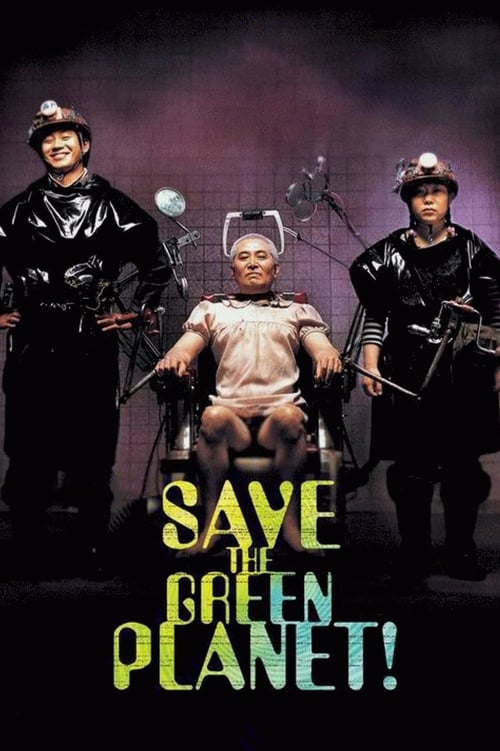
2003
2006
1994
No reviews yet. Be the first to share your thoughts on this movie!
Use the rating form above to leave a star rating and optional review.