The Address
2014
No user ratings available yet
Diversity score: 6.6 out of 10
2002
TV-PGDirector
Ken Burns
Runtime
212 minutes
Average Rating
No ratings yetSynopsis
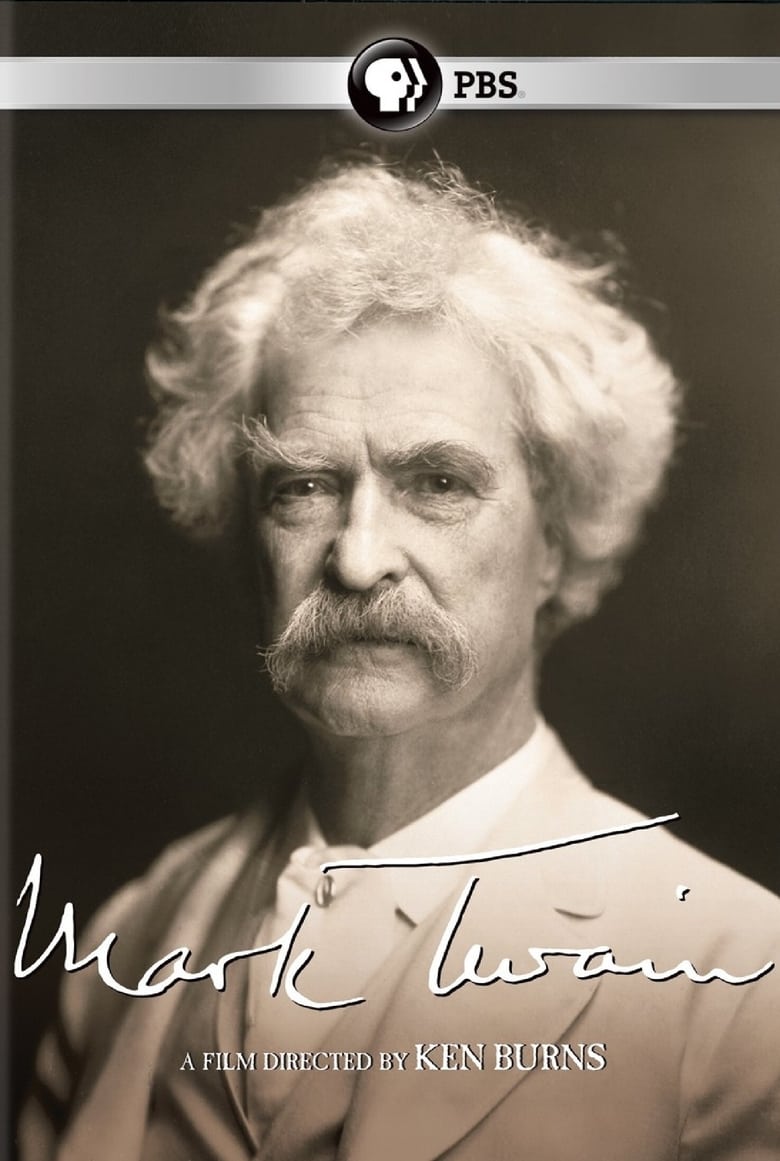
Largely considered to be the greatest American author, Mark Twain is celebrated in this exhaustive documentary by filmmaker Ken Burns.
Overall Score
Good
Category Breakdown
LGBTQ+ Representation
The documentary functions as a historical biographical study. It does not feature or address LGBTQ+ identities or non-cisnormative narratives.
Gender Representation
The film depicts 19th-century gender hierarchies, focusing on Twain’s domestic life and his wife, Olivia Langdon. It prioritizes historical accuracy over the deconstruction of patriarchal power dynamics.
Racial & Ethnic Diversity
The film engages deeply with the era's racial landscape through Twain’s literary contributions. It highlights his critiques of slavery and systemic racism using historical imagery.
Religious & Cultural Diversity
The narrative highlights Twain’s skepticism toward organized religion, Gilded Age capitalism, and American imperialism. It frames him as a social commentator challenging established norms.
Disability Representation
The film touches upon the psychological toll of grief and financial ruin. However, it does not explicitly center neurodivergence or physical disability as primary narrative drivers.
Strengths
Areas for Improvement
AI Analysis
Ken Burns delivers a sophisticated biographical study that moves beyond simple chronology to examine the friction between individual conscience and systemic social structures. The documentary excels by using Twain's own literary legacy to interrogate the racial and political complexities of 19th-century America. While the film provides a nuanced critique of imperialism and racism, it remains tethered to the patriarchal and social norms of the Victorian era. Gender and LGBTQ+ representation are limited by the film's commitment to historical biographical accuracy. Ultimately, the work succeeds as a critical examination of how individual agency interacts with oppressive historical structures, particularly regarding race and the critique of capitalistic expansion.
2014
1985
2004
1993

2003
1993
1999

2007
2014
2011

2007

2021
No reviews yet. Be the first to share your thoughts on this movie!
Use the rating form above to leave a star rating and optional review.