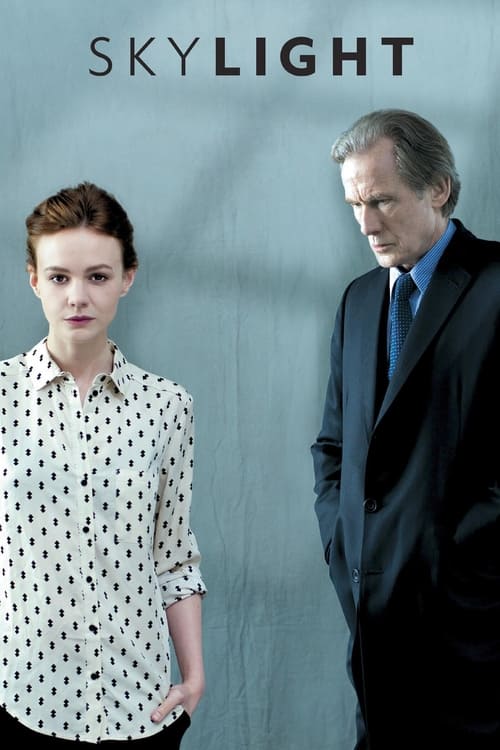
National Theatre Live: Skylight
2014
No user ratings available yet
Diversity score: 4.4 out of 10
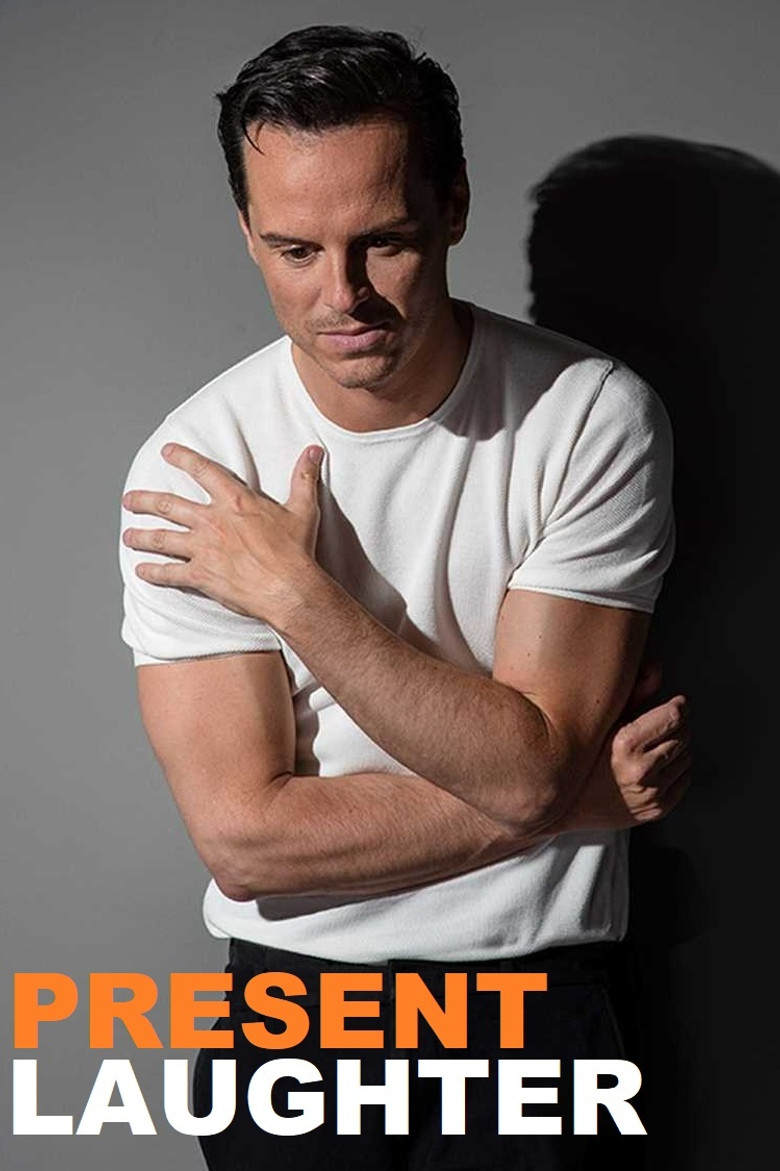
2019
Director
Matthew Warchus
Runtime
180 minutes
Average Rating
No ratings yetSynopsis
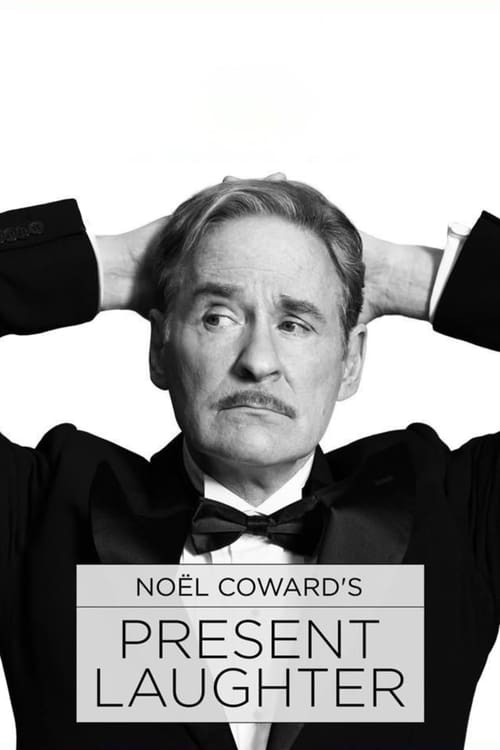
As he prepares to embark on an overseas tour, star actor Garry Essendine’s colourful life is in danger of spiralling out of control. Engulfed by an escalating identity crisis as his many and various relationships compete for his attention, Garry’s few remaining days at home are a chaotic whirlwind of love, sex, panic and soul-searching.
Overall Score
Fair
Category Breakdown
LGBTQ+ Representation
The production leans heavily into the queer subtext inherent to Noël Coward’s writing. Characters navigate fluid sexualities and non-heteronormative inclinations that are central to their social maneuvering and personal agency.
Gender Representation
Women are depicted with significant intellectual agency and sharp wit. They often serve as the stabilizing force against the protagonist’s chaos, subverting tropes of submissive female characters.
Racial & Ethnic Diversity
The cast is predominantly white and Anglo-Saxon, reflecting the 1942 setting and upper-class theatrical circles. There is a notable lack of intersectional racial diversity within the central ensemble.
Religious & Cultural Diversity
The narrative prioritizes wit and individual pleasure over rigid religious or traditional moral structures. It presents a secular world where social decorum is secondary to personal identity.
Disability Representation
There is no significant focus on visible or invisible disabilities. The protagonist's influenza acts as a plot catalyst rather than an exploration of chronic illness or neurodivergence.
Strengths
Areas for Improvement
AI Analysis
This production excels at subverting traditional gender hierarchies through sophisticated verbal sparring and intellectual agency. It also integrates queer subtext as a central element of character identity rather than a peripheral plot point. However, the film is limited by its strict adherence to the historical homogeneity of the 1940s socialite class. This results in a lack of racial and disability representation, making the demographic composition quite traditional. Ultimately, the work is intellectually progressive in its handling of identity and social maneuvering, even while remaining demographically narrow due to its period setting.
2014

2017
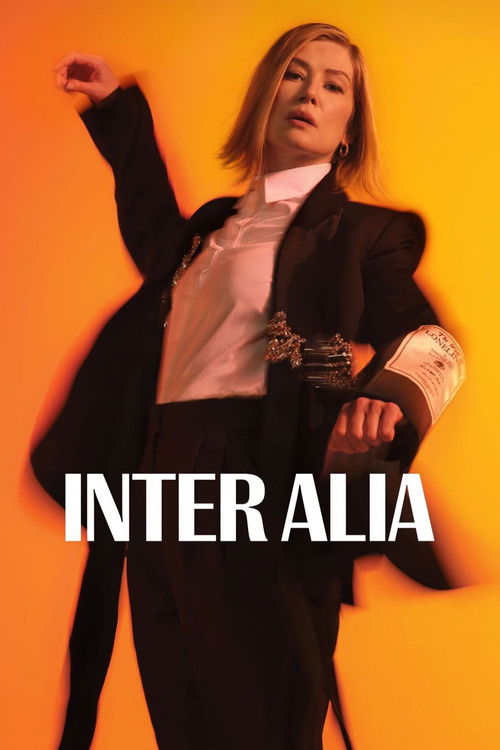
2025

2015

2010
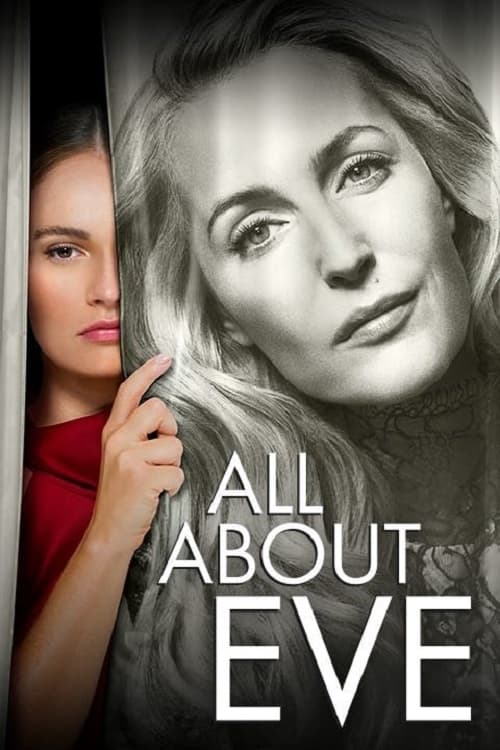
2019
2014
2017
2019

2018
2019

1987
No reviews yet. Be the first to share your thoughts on this movie!
Use the rating form above to leave a star rating and optional review.