Love in the Time of Twilight
1995
No user ratings available yet
Representation score: 5.1 out of 10
Representation Score
Fair
2011
Not RatedDirector
Shinji Imaoka
Runtime
87 minutes
Average Rating
No ratings yetNew Showbiz Analysis
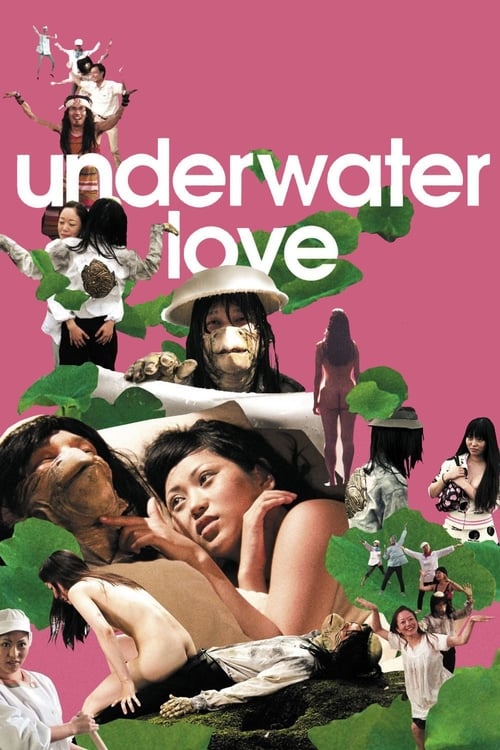
Underwater Love is a surrealist fantasy that uses Japanese folklore to disrupt conventional romantic trajectories. By introducing a kappa, the film moves away from hyper-realistic social norms toward a whimsical, subjective reality. While the film challenges some traditional clichés by centering a woman's experience with the supernatural, it remains largely within traditional frameworks. The narrative lacks broad diversity, focusing instead on a culturally homogeneous and heterosexual romantic pursuit. Ultimately, the film's strength lies in its postmodern approach to personal connection rather than its engagement with systemic social critique or diverse representation.
Category Breakdown
The story follows a heterosexual relationship between a woman and a reincarnated crush. It lacks explicit LGBTQ+ identities or queer-coded subtext within its primary character arcs.
The narrative centers on a woman's encounter with a mythological entity, shifting the focus away from traditional male pursuit dynamics. However, the conflict remains tied to established marriage structures.
This is a culturally specific Japanese production featuring a primarily Japanese cast. It focuses on local mythos rather than multi-ethnic or globalized casting dynamics.
The film blends the mundane with the mythic, prioritizing subjective, surreal reality over rigid social structures. It embraces existential relativism through its use of indigenous folklore.
There are no prominent depictions of physical or neurodivergent disabilities that drive the plot or serve as central character traits.
Present on Screen
Limited or Absent
Official Synopsis
35-year-old Asuka works in a lakeside fish factory. She’s about to be married to her boss, Taki, but one day, she encounters a kappa – a water sprite found in Japanese folklore – and learns that the creature is in fact the reborn form of Aoki, an old crush who’d drowned when they were 17.
1995

2020
2012

1976
2025
1984

2006
2010
No reviews yet. Be the first to share your thoughts on this movie!
Use the rating form above to leave a star rating and optional review.