
It
2017
No user ratings available yet
Representation score: 7.9 out of 10

Representation Score
Excellent
2019
RDirector
Andy Muschietti
Runtime
169 minutes
Average Rating
No ratings yetNew Showbiz Analysis
In Chapter Two, the film weaves identity and the deconstruction of social norms into its horror framework. Identity becomes a lens to examine the cyclical nature of systemic trauma, making the characters' backgrounds central to their survival. The narrative is particularly strong in its handling of queer identity and racial critique. By framing the town of Derry as complicit in prejudice and presenting dysfunctional family structures as oppressive, the film moves beyond standard genre clichés. While the film excels in psychological depth, it remains somewhat limited in its portrayal of physical disability and maintains a predominantly male ensemble.
Category Breakdown
The film centers the explicit queer identity and romantic relationship between Richie Tozier and Eddie Kaspbrak, highlighting their intimate connection as a key part of the story's emotional impact.
Beverly Marsh is portrayed as a proactive leader rather than a passive participant. Despite the predominantly male ensemble, the film challenges traditional protector roles by showing female strength as equal to her male counterparts.
Mike Hanlon's character adds depth by exploring systemic racial oppression. The narrative uses his perspective to critique historical racial tensions and prejudices in the town of Derry.
The story critiques traditional Western institutions, focusing on small-town social orders and dysfunctional family units as sources of trauma. It emphasizes communal bonds over the stability of ineffective traditional authority.
The film delves into psychological trauma and PTSD through the characters' hyper-vigilance and dissociative tendencies. However, these conditions are primarily used for narrative purposes rather than exploring the characters' neurodivergent experiences in depth.
Present on Screen
Limited or Absent
Official Synopsis
27 years after overcoming the malevolent supernatural entity Pennywise, the former members of the Losers' Club, who have grown up and moved away from Derry, are brought back together by a devastating phone call.
2017
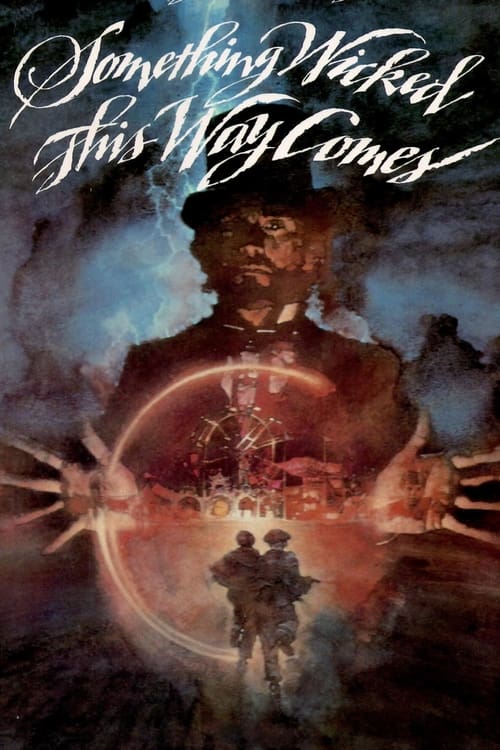
1983
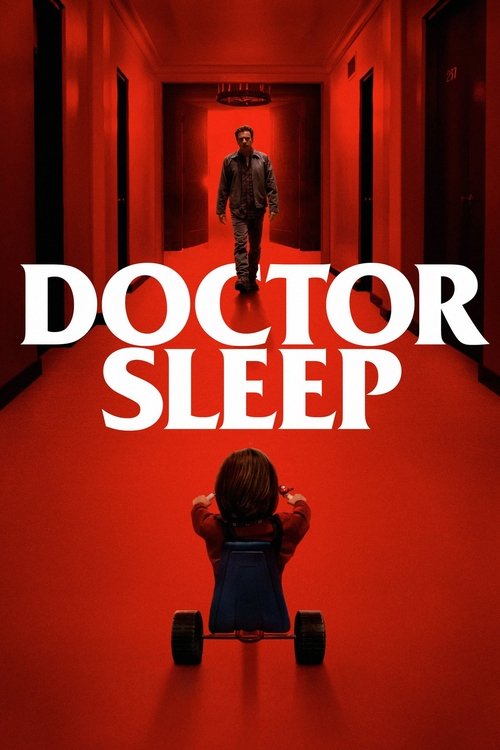
2019
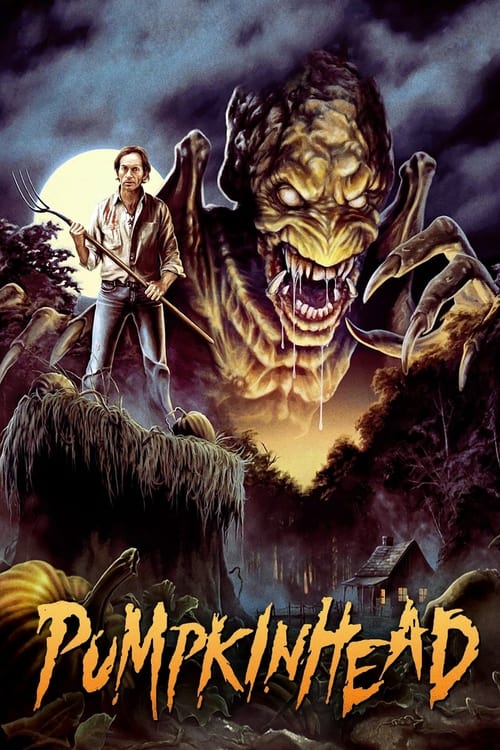
1988
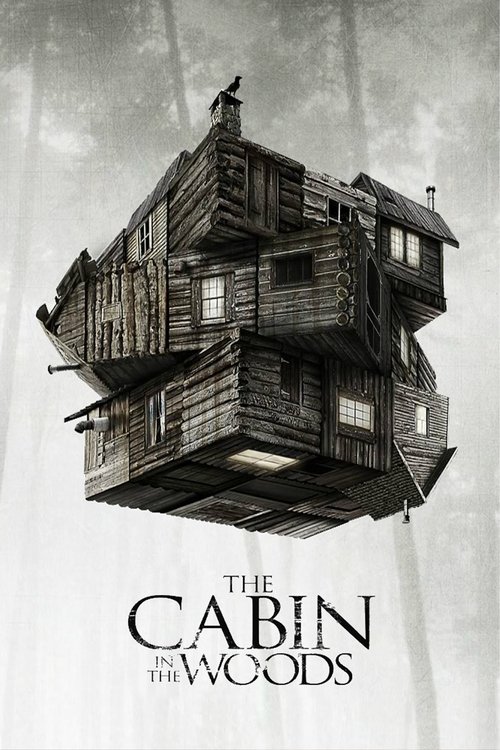
2012

1995
2020
1987
No reviews yet. Be the first to share your thoughts on this movie!
Use the rating form above to leave a star rating and optional review.