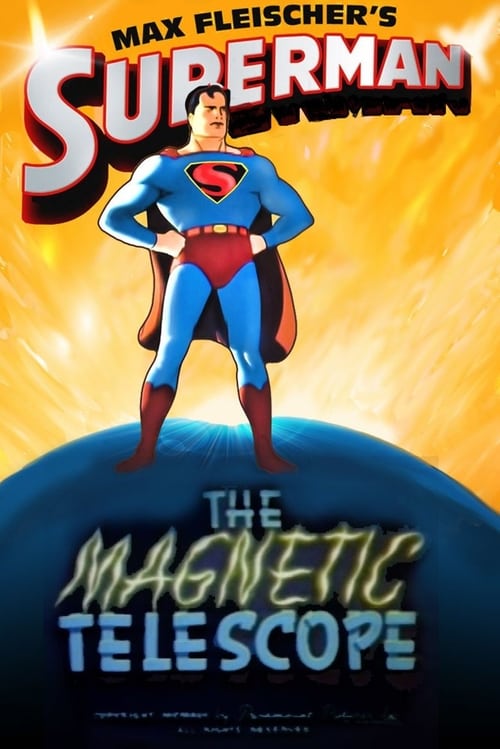
The Magnetic Telescope
1942
No user ratings available yet
Representation score: 0.5 out of 10
Representation Score
Minimal
1942
ApprovedDirector
Dave Fleischer
Runtime
9 minutes
Average Rating
No ratings yetNew Showbiz Analysis
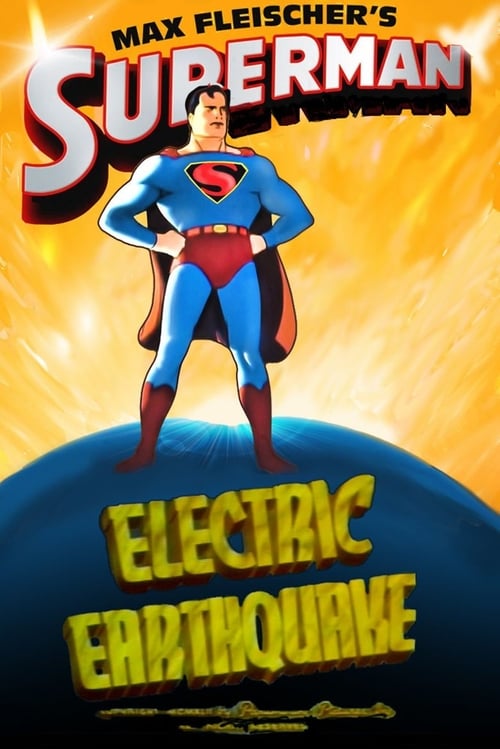
Electric Earthquake is a quintessential example of mid-century American slapstick animation. It functions primarily as a vehicle for kinetic energy and surreal destruction, adhering strictly to the genre conventions of the 1940s. The narrative structure revolves around the 'mad scientist' cliché, where technological disruption serves as a catalyst for physical comedy. This focus on escapist spectacle results in a lack of meaningful representation across various identity vectors. Ultimately, the film is a product of its time. It does not attempt to disrupt social expectations or explore multiple aspects of identity, prioritizing high-energy action over character depth.
Category Breakdown
The film does not depict any non-straight relationships or include queer subtext. Character dynamics follow a traditional hero-versus-villain setup.
The story focuses on male-coded conflicts between a scientist and a superhero. Female characters have limited roles and do not hold positions of power or intellect.
Character designs reflect the demographic homogeneity typical of 1940s animation. There is no indication of intentional racial blending or diverse casting.
The story follows a conventional Western moral dichotomy of order versus chaos. It does not engage with secularism or challenge Western institutions.
No characters are shown with visible or invisible disabilities. Physical comedy relies on slapstick physics rather than the experiences of disabled individuals.
Present on Screen
Limited or Absent
Official Synopsis
A scientist uses an earthquake machine to threaten the city, and only Superman can stop his extortion plan!
1942
1942

1941
1942
1941
1942
1942

1942
No reviews yet. Be the first to share your thoughts on this movie!
Use the rating form above to leave a star rating and optional review.