SSSS.GRIDMAN Grand Episode
2023
No user ratings available yet
Representation score: 5.7 out of 10
Representation Score
Fair
2015
Director
Yasuhiro Yoshiura
Runtime
8 minutes
Average Rating
No ratings yetNew Showbiz Analysis
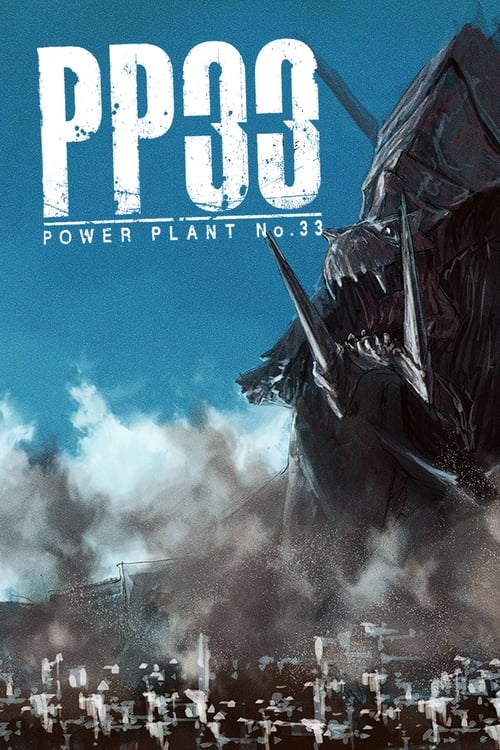
PP33 -POWER PLANT No.33- explores the tension between humanity, nature, and machines through a high-concept science fiction lens. By focusing on a gigantic electric generation kaiju and a mysterious robot, the film avoids traditional human-centric social hierarchies. While the film successfully disrupts conventional industrial narratives through its unique biological-mechanical premise, it lacks the character-driven intersectionality needed for a higher diversity score. The focus remains on systemic and environmental forces rather than individual identity. Ultimately, the work provides a speculative look at systemic instability, though it remains largely silent on specific social or identity-based representations.
Category Breakdown
The film does not include any explicit LGBTQ+ characters or situations involving non-straight relationships. The narrative focuses on the conflict between the city and its kaiju power source.
The story's driving force comes from elemental and technological factors rather than human characters. Since the plot centers around a non-human entity, traditional gender roles are neither emphasized nor challenged.
The speculative urban setting moves away from traditional social structures, but the lack of specific character descriptions prevents a higher score for diverse representation.
The story challenges Western views of industry by presenting the city's power source as a semi-sentient organism. This biological-mechanical premise questions the permanence of technology and institutions.
There is no depiction of physical or neurodivergent disabilities. The primary entities mentioned in the narrative are non-human or mechanical in nature.
Present on Screen
Limited or Absent
Official Synopsis
A sleeping gigantic electric generation kaiju No.33, so-called Eleki-Magma, which the city relies on its electric power. One day, a mysterious giant robot Proto-Taitan appeared in the sky and destroyed the city! An accumulation of electricity, which lost its way in the body, has finally awakened Eleki-Magma!
2023

1986

2025

2019
2017

2013
2023

1995
No reviews yet. Be the first to share your thoughts on this movie!
Use the rating form above to leave a star rating and optional review.