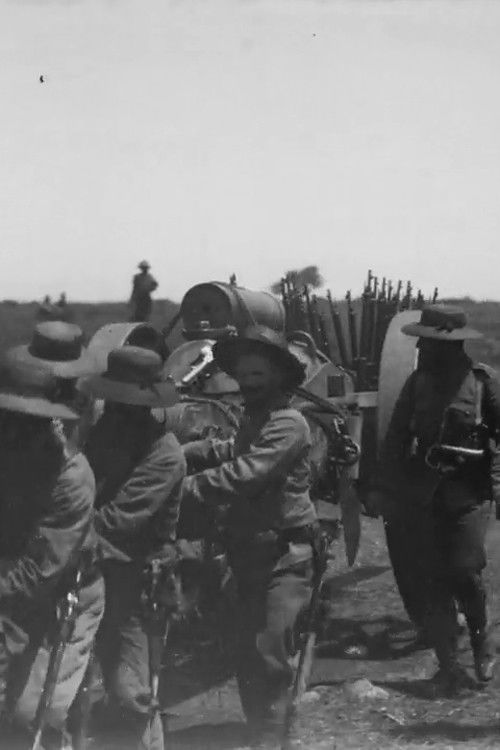
Ladysmith – Naval Brigade Dragging 4.7 Guns into Ladysmith
1900
No user ratings available yet
Representation score: 0.2 out of 10
Representation Score
Minimal
1900
Runtime
2 minutes
Average Rating
No ratings yetNew Showbiz Analysis
This archival newsreel serves as a historical record of British military operations during the Second Boer War. Given its nature as a combat journalism piece from 1900, it does not have any modern sociological intent or narrative complexity. The footage emphasizes the rigid institutional hierarchies of the era. It presents a uniform view of the British imperial system, highlighting traditional masculinity and colonial power structures. Ultimately, the film documents the efficiency of a Western military operation. It does not challenge or question the socio-political norms of the early 20th century.
Category Breakdown
The film does not show any non-straight relationships or same-sex intimacy. It follows the strict gender and sexual norms of the time.
The footage shows only male figures engaged in military and medical roles. There are no women or female roles documented in this context.
The visuals focus solely on white British military and medical staff. There is no diversity or mixed-race casting.
The film captures the expansion of Western imperialism through the lens of a state military. It records the organized movements of a military institution without any moral or cultural critique.
There are no visible representations of physical or cognitive disabilities. The focus is entirely on the able-bodied personnel.
Present on Screen
Limited or Absent
Official Synopsis
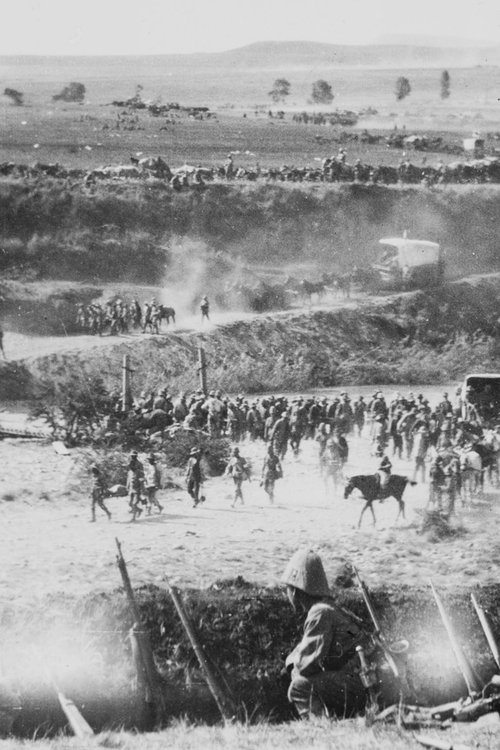
Ambulances and British troops crossing the Tugela River over the pontoon bridge near Trichardt's Drift, during the British retreat from Spion Kop in the Boer War, 25 January 1900.
1900

2023
1916

1899

1899
1945
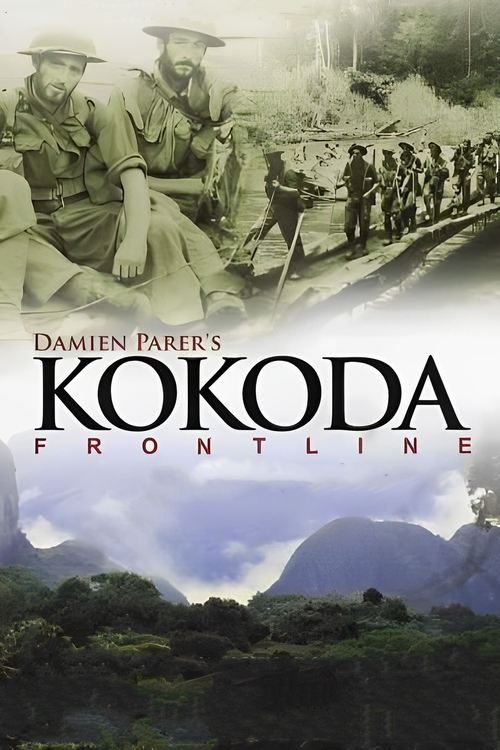
1942
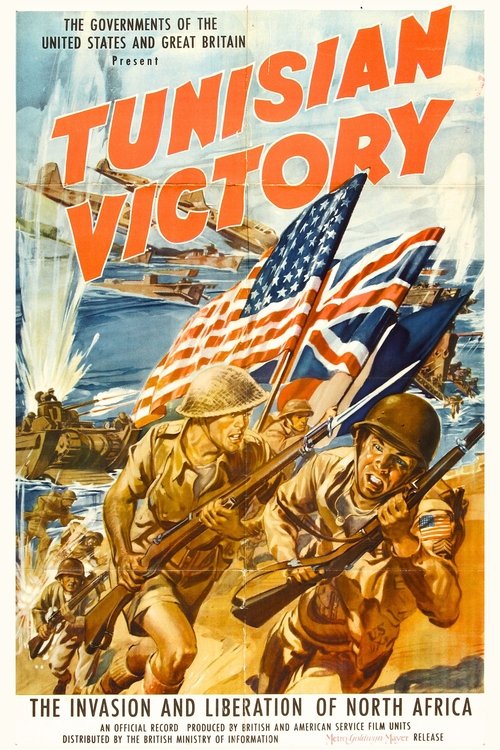
1944
No reviews yet. Be the first to share your thoughts on this movie!
Use the rating form above to leave a star rating and optional review.