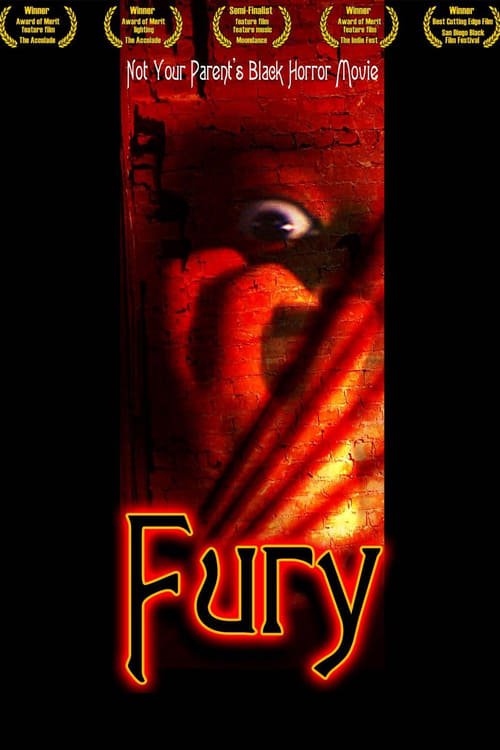
Fury
2009
No user ratings available yet
Representation score: 4.3 out of 10

Representation Score
Minimal
1988
Director
Charles Pinion
Runtime
84 minutes
Average Rating
No ratings yetNew Showbiz Analysis
Twisted Issues operates within the established conventions of late-1980s horror-comedy. The plot revolves around a vengeful, resurrected skateboarder, a premise that aligns with traditional revenge fantasy clichés common to exploitation cinema of that era. The film relies heavily on individualistic retribution rather than exploring systemic critiques of social hierarchies or institutional power. This focus keeps the narrative centered on personal vendettas rather than broader social commentary. Ultimately, the work lacks discernible evidence of multi-layered representation. It functions as a genre piece that adheres to the traditional archetypes and casting standards typical of its time.
Category Breakdown
The film does not include any LGBTQ+ characters or same-sex relationships. It also does not challenge the assumption that everyone is straight or cisgender.
The story centers around a male teenage protagonist seeking revenge. This follows a traditional masculine-centric hero archetype without challenging gender hierarchies.
The synopsis does not provide information about the racial makeup of the cast. The film may follow the homogeneous casting standards common in 1980s genre cinema.
The narrative follows standard revenge clichés focused on personal vendettas. It does not clearly critique religious or Western institutions.
The protagonist is undead, which is a supernatural horror cliché. It does not depict physical or neurodivergent disabilities with real ability to act.
Present on Screen
Limited or Absent
Official Synopsis
A murdered skateboarding teen rises from the grave on his trusty board, unleashing a wave of outrageous revenge on those who wronged him.
2009
1982
2024
1986

2019
2020
1984
1986
No reviews yet. Be the first to share your thoughts on this movie!
Use the rating form above to leave a star rating and optional review.