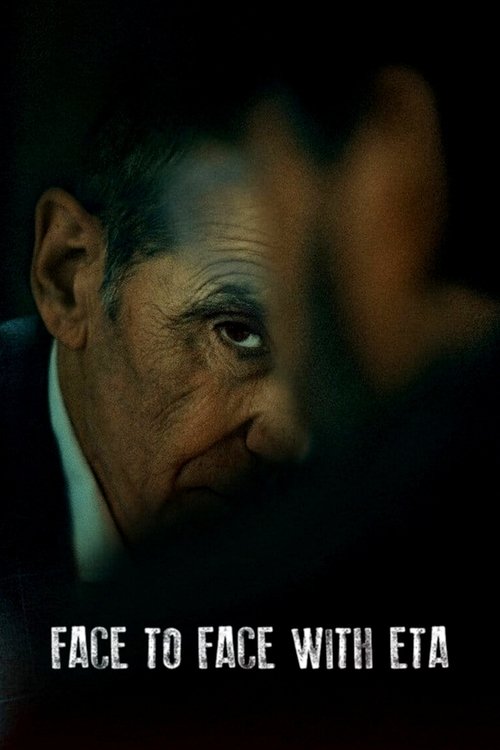
Face to Face with ETA: Conversations with a Terrorist
2023
No user ratings available yet
Representation score: 3.6 out of 10
Representation Score
Limited
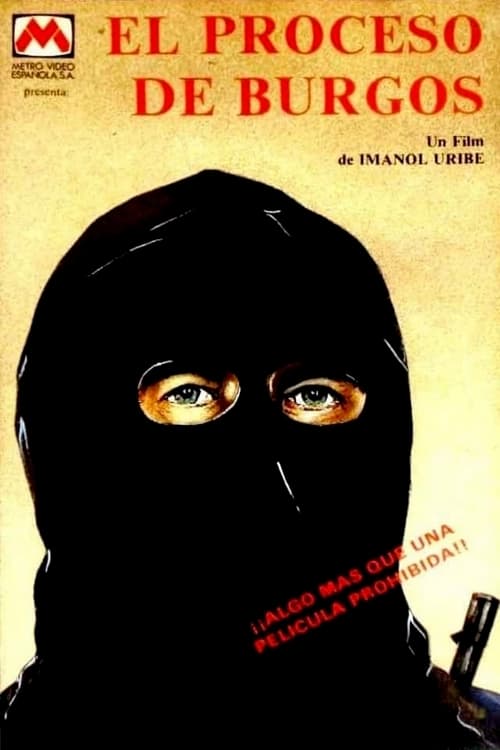
1979
Director
Imanol Uribe
Runtime
134 minutes
Average Rating
No ratings yetNew Showbiz Analysis
The Burgos Trial serves as a tool to dismantle nationalistic dominance. By highlighting the Basque struggle, the film provides a platform for an ethnic identity that has been sidelined by the centralized Spanish state. However, the film's scope is limited when it comes to diverse social identities. It lacks representation for LGBTQ+ individuals and focuses on traditionally masculine political and judicial roles, reflecting the structural constraints of the time. Overall, the film is strong in critiquing institutional power and elevating the voices of the oppressed. It is a crucial historical and political document.
Category Breakdown
The documentary focuses solely on legal and political aspects. There are no characters or stories involving LGBTQ+ individuals or non-traditional gender identities.
The film centers on male-dominated political activism and judicial systems. It highlights the gender dynamics of the time without challenging traditional gender roles.
The film explores Basque identity and regional autonomy. It challenges the idea of a single Spanish identity by focusing on the Basque perspective and experiences.
The documentary critiques the Spanish state and its judicial system. It emphasizes the voices of those resisting systemic oppression.
The film does not prominently feature characters with physical or cognitive disabilities.
Present on Screen
Limited or Absent
Official Synopsis
Documentary about the court martial held following the assassination of Melitón Manzanas, commissioner of the Political-Social Brigade of Guipúzcoa, in an attack carried out by ETA on August 2, 1968. The film includes a series of interviews and testimonies from those imprisoned and prosecuted in that court martial. Following the attack, a state of emergency was declared in Guipúzcoa and hundreds of people were arrested.
2023
2012
2014
2002
2017
2023
2011
1968
No reviews yet. Be the first to share your thoughts on this movie!
Use the rating form above to leave a star rating and optional review.