Bleak Night
2011
No user ratings available yet
Representation score: 7.7 out of 10
Representation Score
Good
2014
Director
Lee Han
Runtime
117 minutes
Average Rating
No ratings yetNew Showbiz Analysis
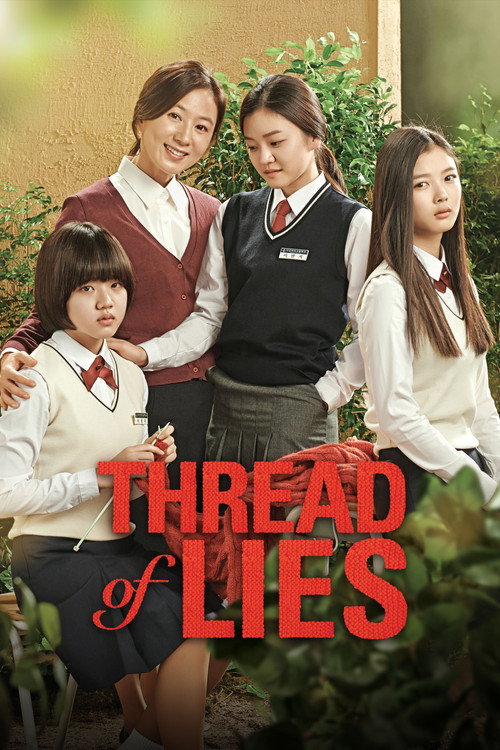
Thread of Lies is a social realist drama that prioritizes psychological depth over demographic variety. It deconstructs the myth of the stable, happy family unit by focusing on the internal lives of women and the systemic failures of social institutions. However, the film's impact is limited by its cultural homogeneity and lack of explicit LGBTQ+ representation. While it offers a nuanced look at mental health, it operates within a narrow demographic scope typical of its cultural setting. Ultimately, the film's strength lies in its willingness to challenge traditional social facades and explore the invisible fractures within domestic life.
Category Breakdown
The film does not include explicit LGBTQ+ character arcs or non-traditional gender identities. It focuses on the trauma of adolescent suicide within a traditional family structure.
The story challenges traditional hierarchies by emphasizing the psychological autonomy and ability to act of women. It shifts focus from male-dominated narratives to the internal emotional landscapes of women.
The cast is culturally homogeneous, reflecting the demographics of South Korea. The film does not pursue a multi-ethnic ensemble cast.
The film critiques traditional social institutions, depicting the family and school system as places where systemic neglect occurs. It highlights how polite societal facades can hide destructive behaviors.
While physical disabilities are not emphasized, the plot centers on mental health and psychological distress. It treats psychological suffering as a core narrative investigation.
Present on Screen
Limited or Absent
Official Synopsis
Cheon-ji's unexpected suicide causes her mother Hyeon-sook and older sister Man-ji to be moved into another apartment. Tracking down clues from school, Man-ji discovers that Cheon-ji's best friend Hwa-yeon is behind everything.
2011

2014
2020
2011
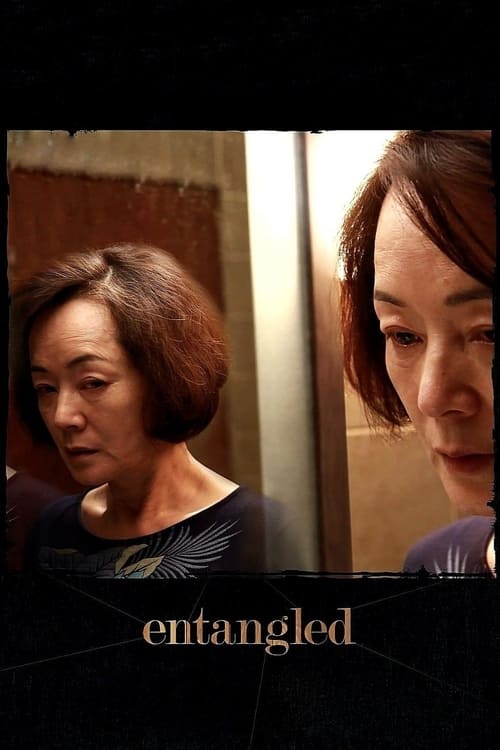
2014
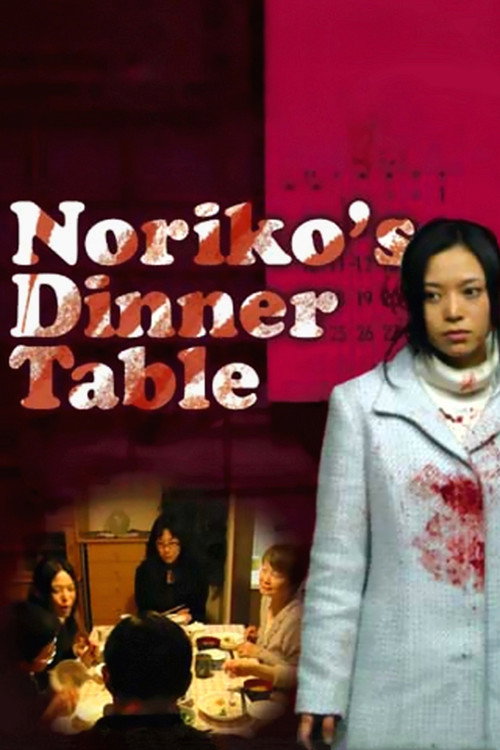
2005
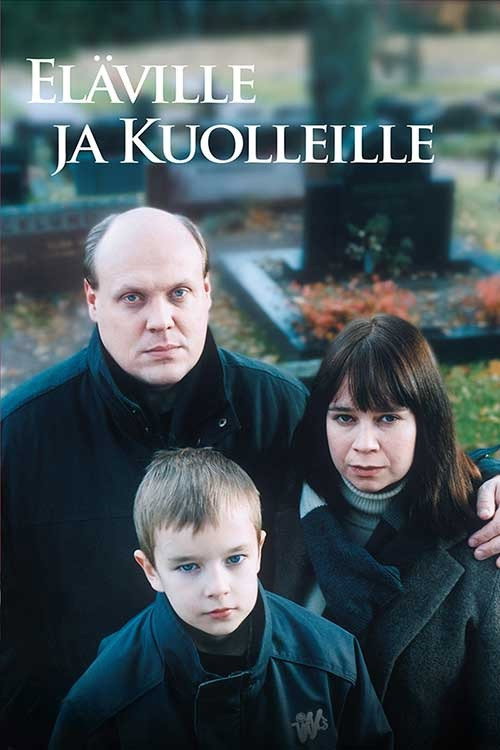
2005

2004
No reviews yet. Be the first to share your thoughts on this movie!
Use the rating form above to leave a star rating and optional review.