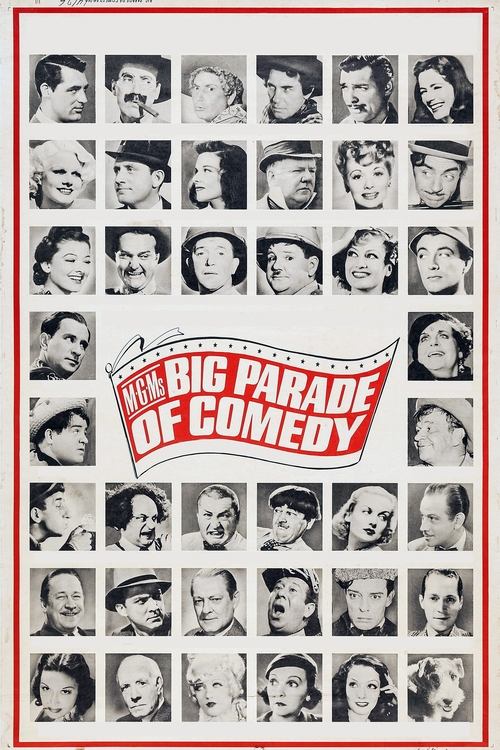
The Big Parade of Comedy
1964
No user ratings available yet
Representation score: 1.6 out of 10
No Poster Available
Representation Score
Fair
1997
Runtime
120 minutes
Average Rating
No ratings yetNew Showbiz Analysis
This documentary serves as a chronological survey of cinematic comedy history. Because it is a curated anthology of existing clips, its representation is inherently tied to the social constraints and casting norms of the eras it depicts. The film captures the evolution of the medium, moving from the homogeneous casting of the silent era to a more diverse modern landscape. While it includes groundbreaking performers of color, the core remains rooted in traditional Hollywood structures. Ultimately, the work functions as a preservation of established comedic legacies. It celebrates the icons of the past, which naturally reflects the historical lack of diversity present in early 20th-century entertainment.
Category Breakdown
The compilation focuses on mainstream icons from the 20th century. These performers largely followed the norms of their time, resulting in a lack of explicit LGBTQ+ identities.
The roster is predominantly male-focused, reflecting historical industry trends. However, the inclusion of Lucille Ball provides a vital counterbalance to the male-dominated lineup of comedy superstars.
The film shows a transition from historical homogeneity to modern diversity. While early legends are mostly Anglo-Saxon, the inclusion of Eddie Murphy and Richard Pryor provides significant breadth.
The documentary leans heavily into Western comedic structures like slapstick. It celebrates the Hollywood golden age, prioritizing established Western entertainment traditions and mainstream cultural milestones.
Physical comedy is central to legends like Buster Keaton and The Three Stooges. However, the humor often relies on bodily mishaps or clumsiness rather than characters with real control over their actions.
Present on Screen
Limited or Absent
Official Synopsis
From Charlie Chaplin, Cary Grant, Jerry Lewis and Bob Hope to John Belushi, Leslie Nielsen, Eddie Murphy and Jim Carrey, this compilation features a host of comedy legends and showcases 100 years of the funniest bits, gags, moments and scenes ever seen on-screen. Included are film clips from classic movies and hilarious footage of Buster Keaton, Laurel and Hardy, The Three Stooges, Lucille Ball, Richard Pryor and many other comedy superstars.
1964
1982
1960
2005

2014
2022
2023

2013
No reviews yet. Be the first to share your thoughts on this movie!
Use the rating form above to leave a star rating and optional review.