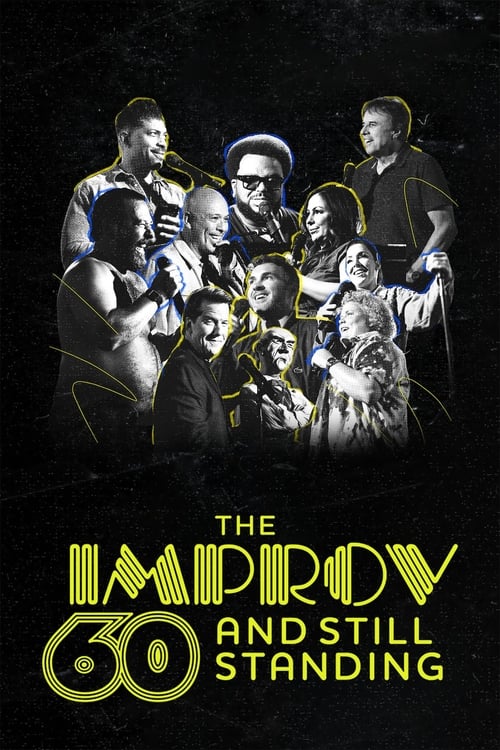
The Improv: 60 and Still Standing
2023
No user ratings available yet
Representation score: 4.4 out of 10

Representation Score
Limited
2013
PG-13Runtime
60 minutes
Average Rating
No ratings yetNew Showbiz Analysis
The documentary serves as a historical record of a specific institution, meaning its demographics reflect the real-world comedy circuit from 1963 to 2013. Since it functions as a tribute to established legends, the representation is bound by the historical imbalances of the industry. While the film showcases a degree of racial integration and various ethnic voices, it remains anchored in traditional comedic hierarchies. The lack of explicit focus on gender or LGBTQ+ identity politics results in a narrative that celebrates legacy rather than challenging social structures. Ultimately, the film provides a meaningful look at the evolution of stand-up comedy without attempting to disrupt the status quo of the era it documents.
Category Breakdown
The film includes some humor that hints at queer themes but doesn't focus specifically on LGBTQ identities or struggles. It reflects the limitations of the comedy industry during that time.
The documentary emphasizes the historical dominance of male comedians in the stand-up circuit. Female comedians are mentioned, but the main focus remains on male performers and their achievements.
The film highlights significant racial diversity by featuring various ethnic voices within the American comedic tradition. However, it still centers on established, often Anglo-centric industry standards.
The narrative celebrates the American club culture and the entrepreneurial spirit of comedian Budd Friedman. It maintains a nostalgic, celebratory tone about this specific American cultural landmark.
There is no evidence within the film to assess the portrayal of visible or invisible disabilities. The focus remains strictly on the professional histories and comedic output of the artists.
Present on Screen
Limited or Absent
Official Synopsis
Several comic greats pay tribute to the legendary stand-up stage founded by Budd Friedman in 1963.
2023
2017
1998
2005
2022

2014
1992
2011
No reviews yet. Be the first to share your thoughts on this movie!
Use the rating form above to leave a star rating and optional review.