
Yao
2019
No user ratings available yet
Representation score: 4.2 out of 10
Representation Score
Limited
2025
Director
Ahmed Boulane
Runtime
90 minutes
Average Rating
No ratings yetNew Showbiz Analysis
The film centers a predominantly Black and North African cast, with Senegalese characters holding named, central roles rather than serving as background extras. This reflects the Dakar-to-Casablanca route and treats these identities as the default world of the story. The pandemic border closure acts as a concrete obstacle to family reunification, highlighting the human cost of bureaucratic systems. Gender dynamics remain conventional, with the husband driving the physical journey and solving logistical problems while the wife waits in Casablanca. This limits female agency to the domestic sphere, though the separation is framed as a neutral pandemic consequence. The narrative relies on a male protagonist to resolve the crisis, maintaining a traditional power structure. LGBTQ+ and disability representation are absent from the available evidence. No queer identity markers or characters with ongoing disabilities appear in the synopsis or cast list. The physical hardships of the journey are general to all travelers, not specific to disability experiences. The overall score reflects strong racial and cultural presence balanced by conventional gender dynamics and missing other categories.
Category Breakdown
No LGBTQ+ characters or queer identity markers appear in the synopsis or cast list. The narrative focuses on a heterosexual marriage and migration logistics. The story treats the domestic separation as a neutral consequence of the pandemic.
Mariam remains in Casablanca expecting a child, serving as the emotional anchor rather than an active plot driver. Ali drives the physical journey and solves logistical problems. The framing treats the domestic separation as a neutral consequence of the pandemic, not a gendered critique.
The cast is predominantly Black and North African, reflecting the Dakar-to-Casablanca route. Adama and Mamadou are central Senegalese characters, not background extras. The film depicts cross-border movement between West and North Africa, treating these identities as the default world of the story.
The pandemic border closure is the primary obstacle, framing state authority as a barrier to family unity. The journey highlights the precariousness of migration and the desire to reunite with family. Traditional family bonds are treated as the moral core, while bureaucratic systems are shown as impersonal and obstructive.
No characters with ongoing disabilities are mentioned in the credits or synopsis. The physical hardships of the journey are general to all travelers, not specific to disability experiences. The narrative does not address accessibility or specific disability challenges.
Present on Screen
Limited or Absent
Official Synopsis
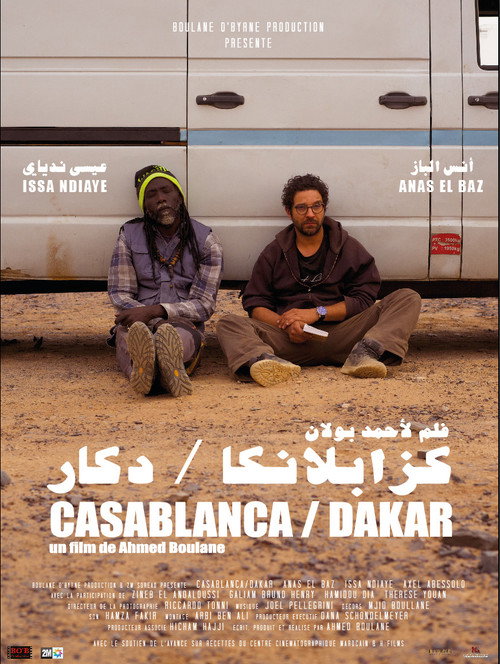
ALI, a Moroccan architect, is working in Dakar, Senegal. His wife Mariam, still in Casablanca, is expecting a baby. With the onset of COVID-19, Morocco closes its borders to prevent the spread of the virus. Ali, who was just getting ready to join his wife for the birth, can no longer buy a plane ticket. He finds himself in a total impasse. He embarks on an adventure in a van carrying merchandise destined for Morocco. But to his great surprise, he discovers that the van is really loaded with Senegalese seeking to migrate to Europe. The trip from Dakar to Casablanca becomes a journey filled with misadventures.
2019

2009

2017

2007
1998
2012

2019
2020
No reviews yet. Be the first to share your thoughts on this movie!
Use the rating form above to leave a star rating and optional review.