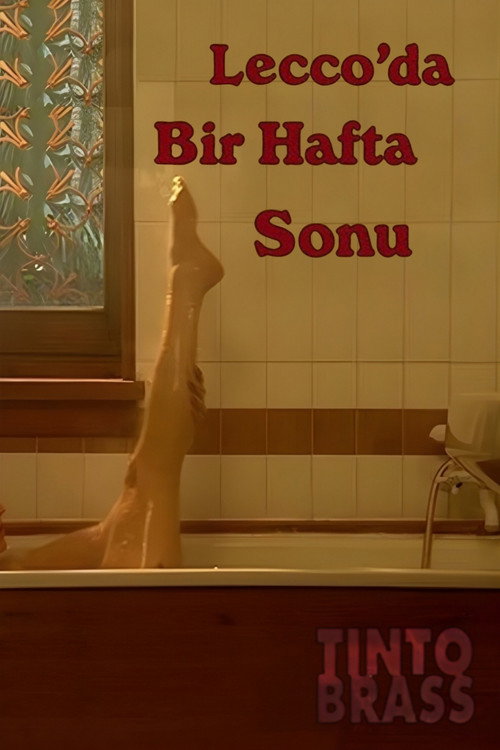
Weekend in Lecco
1999
No user ratings available yet
Diversity score: 5.4 out of 10

1957
Director
Antonio Pietrangeli
Runtime
109 minutes
Average Rating
No ratings yetSynopsis
Three girls are on a hitchhiking trip through northern Italy, the riviera, Venice, Pisa and Rome.
Overall Score
Fair
Category Breakdown
LGBTQ+ Representation
The film operates within the heteronormative social expectations of 1950s Italy. There is no evidence of same-sex intimacy or non-cisnormative gender identities.
Gender Representation
The narrative disrupts traditional hierarchies by centering agency on female protagonists. It prioritizes female subjectivity and explores the constraints of a male-dominated social landscape.
Racial & Ethnic Diversity
The cast is predominantly white and European, reflecting the demographic homogeneity of the era. It lacks diverse ethnic ensembles or race-bent casting.
Religious & Cultural Diversity
The film critiques burgeoning consumer capitalism and the materialism of the post-war economic boom. It highlights the socioeconomic divide and the superficiality of high society.
Disability Representation
There is no documented evidence regarding the portrayal of physical or neurodivergent disabilities in this work.
Strengths
Areas for Improvement
AI Analysis
Antonio Pietrangeli’s film serves as a transitional piece of cinema, moving from systemic neorealism toward a psychological exploration of individual identity. While it lacks modern intersectional diversity, it offers progressive value by centering the female experience. The film succeeds in deconstructing rigid mid-century gender roles by making women the primary drivers of the plot. However, it remains limited by the era's demographic homogeneity and a lack of LGBTQ+ representation. Ultimately, the work provides a nuanced critique of class and materialism, using the journey of its protagonists to examine the friction between individual identity and social status.
1999

2011

1983
2019
1965
1960

1995
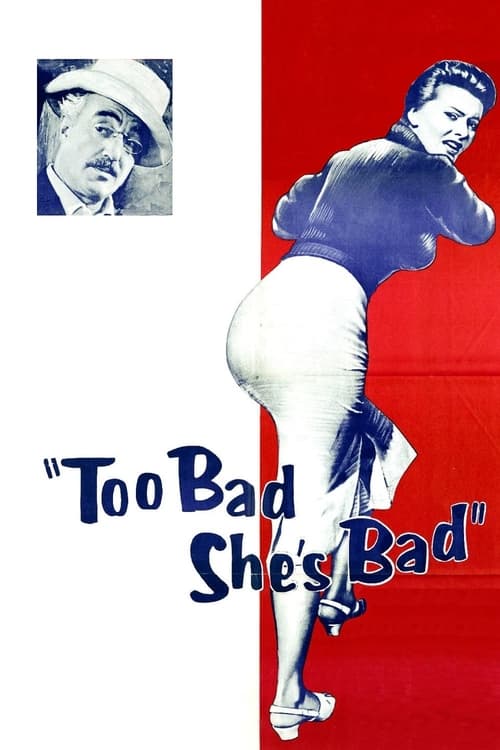
1954
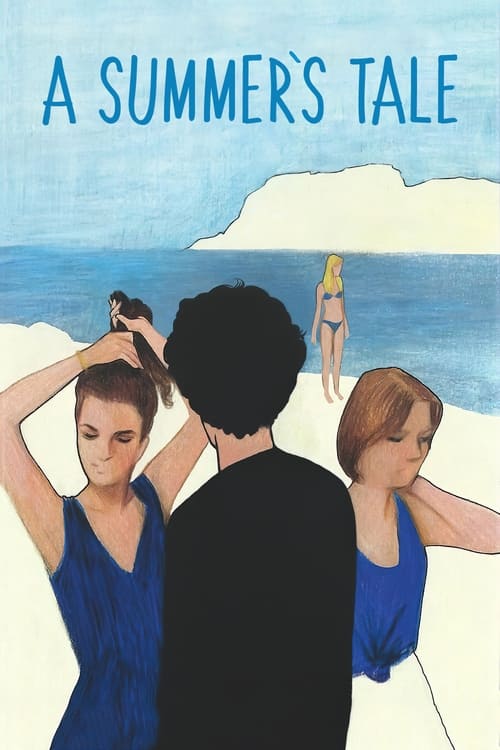
1996
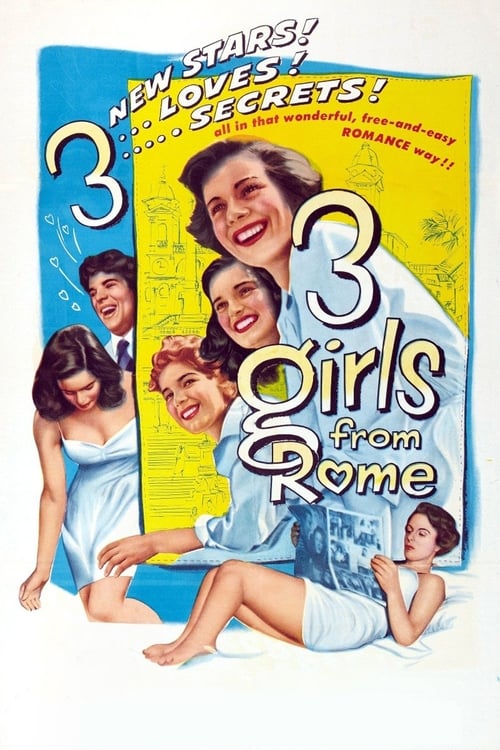
1952
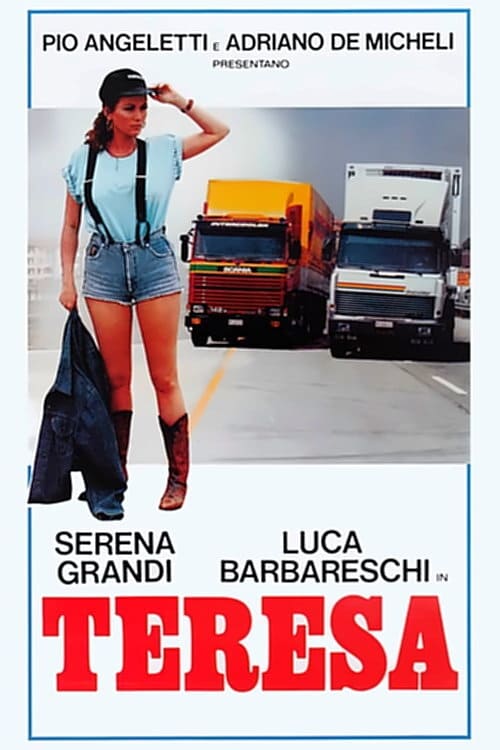
1987
1983
No reviews yet. Be the first to share your thoughts on this movie!
Use the rating form above to leave a star rating and optional review.