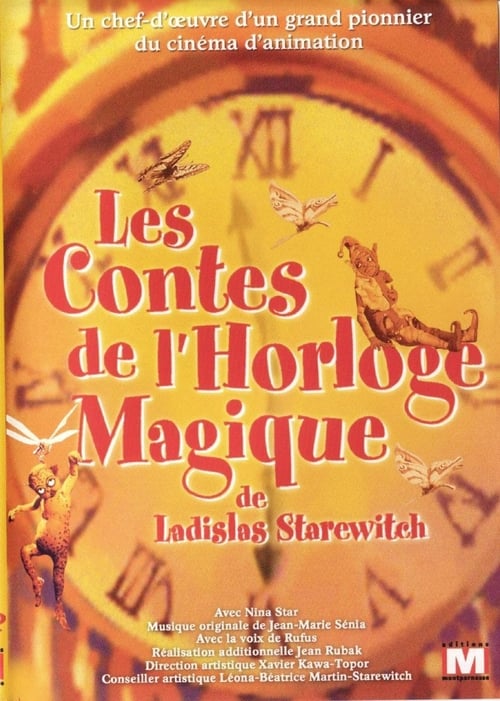
The Magic Clock
1928
No user ratings available yet
Representation score: 1.4 out of 10
Representation Score
Limited
2003
Director
Władysław Starewicz
Runtime
65 minutes
Average Rating
No ratings yetNew Showbiz Analysis
Tales of the Magic Clock is a surrealist animation that adheres to traditional European folklore. While it centers female characters in its dream sequences, these figures remain tied to conventional romantic narratives rather than challenging gender roles. The film's aesthetic and thematic structure are highly homogeneous. By focusing on archetypal figures like knights and princesses, the work reinforces established Western storytelling clichés rather than introducing diverse racial or cultural perspectives. Ultimately, the film functions as a whimsical, episodic adventure. It prioritizes visual metaphor and dream logic over disrupting social or identity-based hierarchies.
Category Breakdown
The story follows traditional romantic archetypes, such as a princess looking for a knight. There is no evidence of LGBTQ+ or non-binary identities.
Female characters like Nina and the princess drive the emotional storyline. However, their roles are defined by traditional romantic pursuits and fairy-tale clichés.
The setting has a homogeneous, Eurocentric look based on European folklore. There is no indication of racial diversity or mixed ethnic backgrounds.
The film uses Western fairy-tale elements like castles and knights. It emphasizes surreal whimsy over exploring diverse cultural perspectives or institutions.
Characters are driven by mechanical processes, but there is no evidence of intentional disability representation. No specific details about neurodivergence or physical disabilities are present.
Present on Screen
Limited or Absent
Official Synopsis
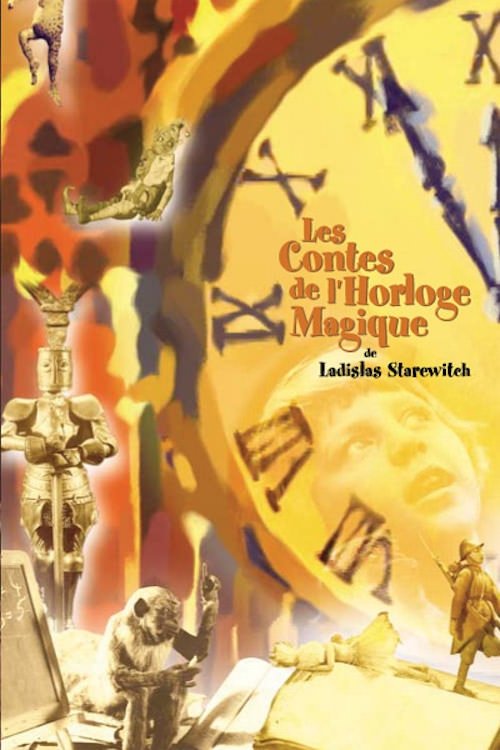
In the night, at the top of a big clock, three little automatons come to life in turn: an agile monkey, a pretty dancer and an acrobatic jester, driven by clever mechanisms. Nina, the clockmaker's little girl, begins to dream. She is a little street singer. And a ballerina in love with a little tin soldier. And a princess in search of her beautiful knight lost in the enchanted forest. From burglary to castle attack, from mermaid to dragon, the adventure never stops... like the hands of a clock.
1928
1926
2015
2014
1958
1931
1934
1930
No reviews yet. Be the first to share your thoughts on this movie!
Use the rating form above to leave a star rating and optional review.