Scandal Queen
2026
No user ratings available yet
Representation score: 2.1 out of 10
Representation Score
Minimal
2001
Director
Howie Hoax
Runtime
80 minutes
Average Rating
No ratings yetNew Showbiz Analysis
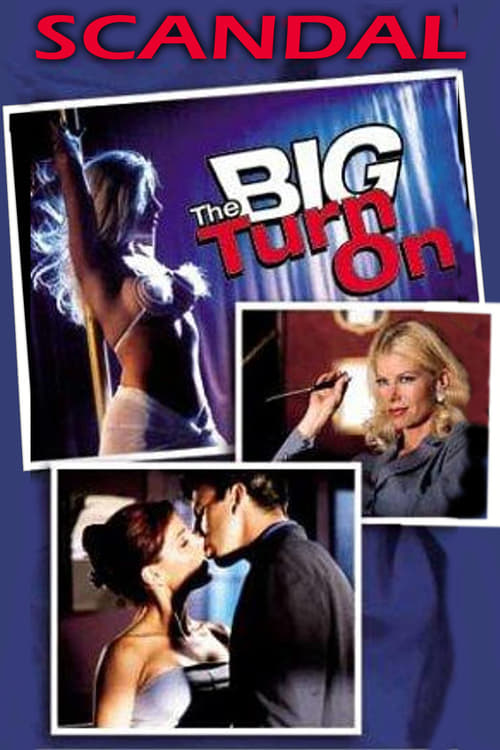
Scandal: The Big Turn On adheres to the standard conventions of early 2000s genre filmmaking. Its narrative structure relies heavily on the private detective cliché, emphasizing a singular male perspective and traditional investigative methods. The film does not intentionally include diverse casting or themes that challenge social hierarchies. Instead, it sticks to a conventional framework where characters support the main plot of uncovering secrets rather than representing varied life experiences. Overall, the production adopts a homogeneous approach to storytelling, focusing on individual pursuits and established societal structures without offering progressive representations of gender, race, or identity.
Category Breakdown
The film does not include explicit LGBTQ+ characters or stories about non-assuming gender matches what was assigned at birth identities. It follows a traditional noir-style detective framework.
The story revolves around a male protagonist who navigates a world of mystery. Female characters play important roles but primarily act as catalysts for the male lead’s investigation.
The production uses conventional casting patterns typical of early 2000s dramas. There is no indication of intentional ethnic blending or diverse casting.
The narrative employs Western noir clichés focused on individual morality and social reputation. It does not offer any significant critique of Western or secular societal structures.
The film does not feature characters with visible or invisible disabilities. The character arcs do not show neurodivergent representation.
Present on Screen
Limited or Absent
Official Synopsis
Private detective Ray Mallory gets paid for digging up other people's dirty little secrets, but in the world of scandal and intrigue, things are not always what they seem.
2026
1991
1997
1992

2017
1974
1998

1997
No reviews yet. Be the first to share your thoughts on this movie!
Use the rating form above to leave a star rating and optional review.