Bingo
1974
No user ratings available yet
Representation score: 5.3 out of 10
Representation Score
Minimal
1992
RDirector
Howard Franklin
Runtime
99 minutes
Average Rating
No ratings yetNew Showbiz Analysis
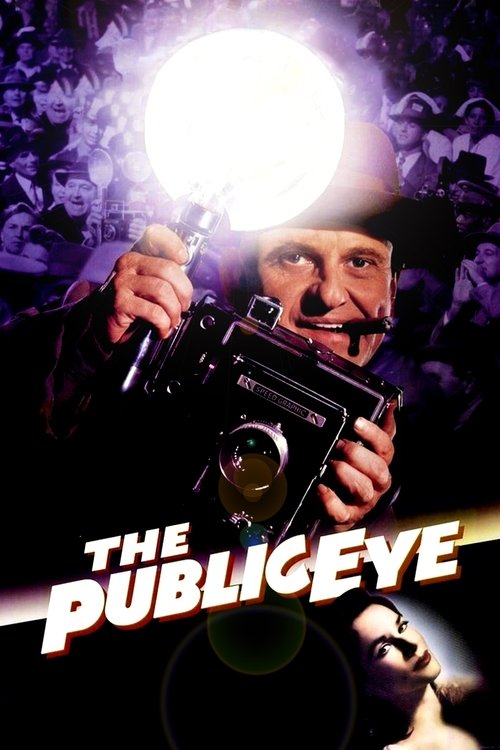
The Public Eye is a period-accurate crime thriller that emphasizes traditional noir clichés over diverse representation. It maintains the social hierarchies and character archetypes typical of mid-century cinema. The film uses established archetypes, such as the masculine lead and the femme fatale, without challenging these roles. The setting and casting reflect a homogeneous portrayal of 1960s urban life, lacking significant racial or LGBTQ+ diversity.
Category Breakdown
The film follows the conventions of 1960s noir and does not include any non-binary or LGBTQ+ identities or same-sex relationships.
The story focuses on a male protagonist who embodies the 'hard-boiled' archetype. Female characters mainly act as plot catalysts or femmes fatales, reinforcing traditional gender roles.
Set in 1960s New York, the cast is mostly white and Anglo-Saxon. The film does not feature diverse casting or make efforts to challenge the era's social norms.
The film explores urban moral ambiguity through a cynical lens. Its themes serve stylistic genre purposes rather than critiquing Western institutions or religion.
There is no focus on neurodivergence or physical disabilities. No characters have disabilities that significantly influence the plot.
Present on Screen
Limited or Absent
Official Synopsis
A crime photographer gets involved in a conspiracy.
1974
1981
1949
1987
1959
1983
2003

2004
No reviews yet. Be the first to share your thoughts on this movie!
Use the rating form above to leave a star rating and optional review.