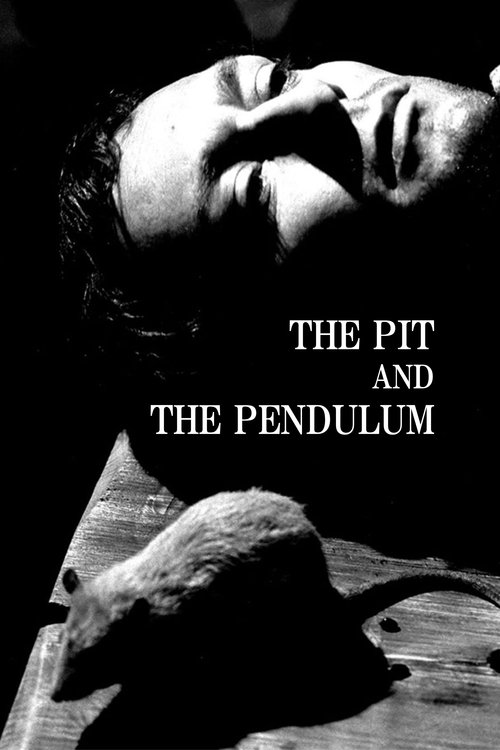
The Pit and the Pendulum
1964
No user ratings available yet
Representation score: 5.4 out of 10
Representation Score
Limited
1953
Director
J.B. Williams
Runtime
21 minutes
Average Rating
No ratings yetNew Showbiz Analysis
This 1953 adaptation of Edgar Allan Poe's work is a traditional genre piece focused on psychological tension. It prioritizes literary fidelity and the mechanics of horror over exploring diverse identities or social subversion. The film reflects the era's constraints, featuring a homogeneous cast and a narrative centered on a singular male perspective. It lacks significant roles for women and does not engage with diverse cultural or ethnic perspectives. Ultimately, the film serves as an individualistic study of madness, utilizing psychological distress to create dread rather than offering nuanced or empowered representations of mental health conditions.
Category Breakdown
The film does not include any LGBTQ+ characters or situations involving non-straight relationships. The plot revolves around a single character's psychological breakdown, which excludes any queer representation.
Stanley Baker is the central male figure in the story. The narrative does not provide significant roles for women or challenge traditional male norms.
The cast is predominantly white, reflecting the homogeneity typical of mid-century dramas. There is no indication of a multi-ethnic cast or diverse ethnic representation.
The film adheres to classic Gothic horror conventions, focusing on individual morality and internal madness. It does not address broader socio-political issues or systemic critiques.
Mental health conditions are used as tools for creating horror and suspense. The protagonist is portrayed using the traditional cliché of the 'madman,' which emphasizes fear and dread.
Present on Screen
Limited or Absent
Official Synopsis
Stanley Baker enacts the classic Edgar Allan Poe story in this chilling short film, only recently rediscovered after being lost for 50 years.
1964

1963
1960
1920

1928
1939
1965
2012
No reviews yet. Be the first to share your thoughts on this movie!
Use the rating form above to leave a star rating and optional review.