
Infernal Street
1973
No user ratings available yet
Representation score: 3.9 out of 10

Representation Score
Minimal
1973
RDirector
Lo Wei
Runtime
100 minutes
Average Rating
No ratings yetNew Showbiz Analysis
Seaman No. 7 is a quintessential 1970s action piece that prioritizes physical spectacle and genre conventions over social exploration. The narrative is driven by a male protagonist's struggle for survival, reinforcing traditional masculine archetypes common to Lo Wei's filmography. While the film introduces international elements through its maritime setting and Japanese characters, these interactions serve the plot's conflict rather than offering deep cultural insight. The focus remains on individual control within a criminal framework. Ultimately, the film operates within the conventional social and cinematic boundaries of its era. It lacks the narrative structure needed to address identity politics or disrupt established power dynamics.
Category Breakdown
The film does not include any LGBTQ+ characters or narratives that challenge traditional social norms, sticking to the conventions typical of 1970s action cinema.
The story centers on a male protagonist navigating a violent underworld, reinforcing traditional masculine dominance rather than subverting gender hierarchies or exploring non-traditional roles.
Cross-cultural tension is introduced through interactions between a sailor and a Japanese man, but these elements rely on established genre clichés rather than nuanced, multi-layered portrayals.
The narrative follows a standard crime-thriller structure focused on a drug war, lacking systemic critiques or the deconstruction of traditional institutions and cultural frameworks.
There is no mention of characters with visible or invisible disabilities. The available information provides no data regarding the portrayal of neurodivergence or physical impairments.
Present on Screen
Limited or Absent
Official Synopsis
When a sailor accidentally kills a Japanese man in a bar room brawl, he tries to escape the law by hiding himself in a freighter heading for Japan only to find himself in the middle of a massive drug war.
1973

1972
1974
2016
1972
1975
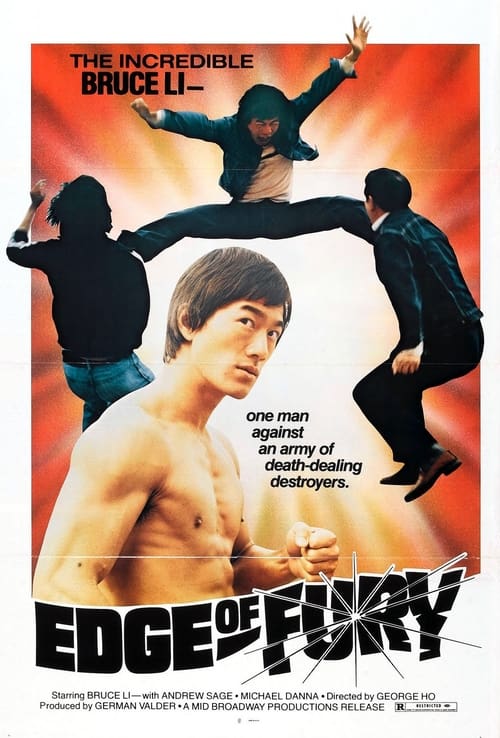
1978
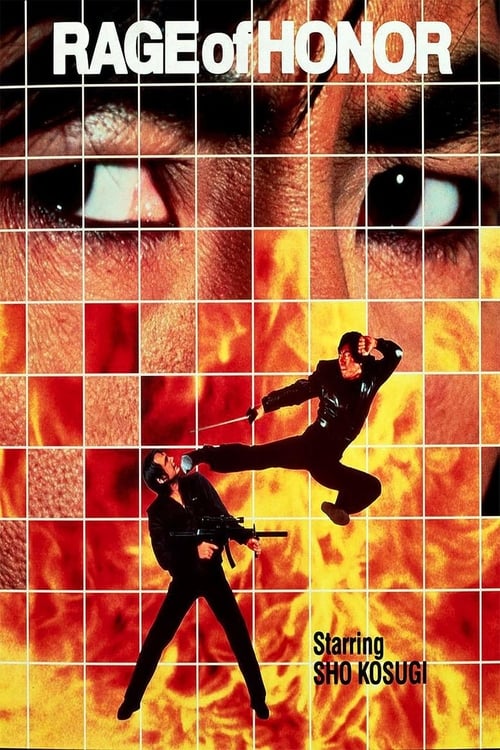
1987
No reviews yet. Be the first to share your thoughts on this movie!
Use the rating form above to leave a star rating and optional review.