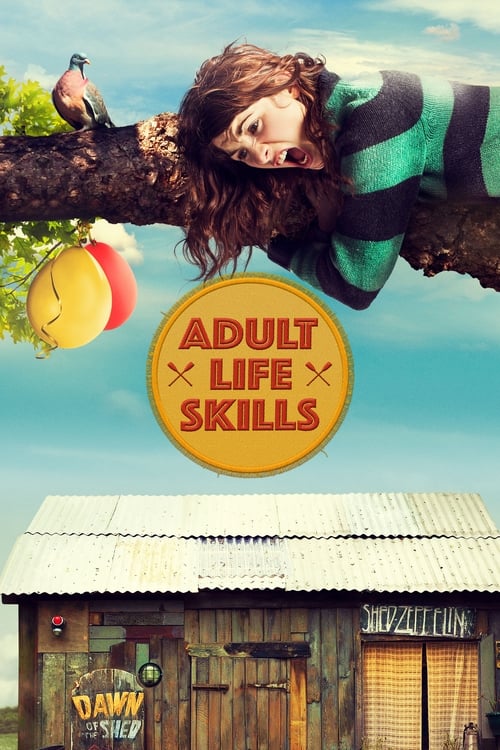
Adult Life Skills
2016
No user ratings available yet
Representation score: 7.9 out of 10

Representation Score
Fair
2019
UnratedDirector
Mark Blane, Ben Mankoff
Runtime
83 minutes
Average Rating
No ratings yetNew Showbiz Analysis
Cubby offers a character-driven exploration of queer identity through its protagonist, Mark. By focusing on Mark's personal deceptions and emotional growth, the film goes beyond surface-level representation to delve into nuanced interpersonal dynamics. The film successfully challenges traditional social structures, particularly concerning family and masculinity. The relationship between Mark and Milo underscores the significance of chosen family connections, offering a refreshing alternative to conventional moral frameworks. However, the film's scope is limited by a lack of visible racial and disability representation. Without a diverse cast or characters facing different physical or mental challenges, the narrative remains somewhat narrow in its approach.
Category Breakdown
The film centers on Mark, a gay visual artist, making his sexual orientation a key part of his character development. It avoids common stereotypes by exploring personal and professional challenges through a queer perspective.
The story focuses on the bond between a young man and a child. Mark's misanthropic and vulnerable nature subverts traditional masculine roles and provider responsibilities.
The narrative lacks specific details about a diverse cast. While set in New York City, there is no evidence of characters representing various racial or ethnic backgrounds.
The film prioritizes chosen connections over traditional family structures. The bond between Mark and Milo highlights situational ethics rather than rigid institutional or religious moralism.
There is no evidence of characters with physical, neurodivergent, or mental health disabilities in this production.
Present on Screen
Limited or Absent
Official Synopsis
A misanthropic 20-something gay visual artist, Mark, finds himself unwittingly in New York City after he lies to his mother about a job at a prestigious art gallery. He then takes a survival job babysitting for 6-year-old Milo, whose faith in Mark is empowering and ultimately, transformative.
2016
2020
2017
2018

2021
1998

2013
2023
No reviews yet. Be the first to share your thoughts on this movie!
Use the rating form above to leave a star rating and optional review.