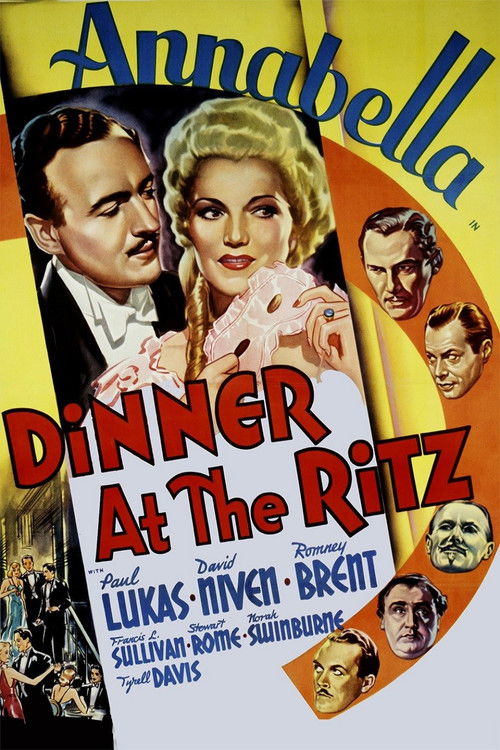
Dinner at the Ritz
1937
No user ratings available yet
Representation score: 2.1 out of 10
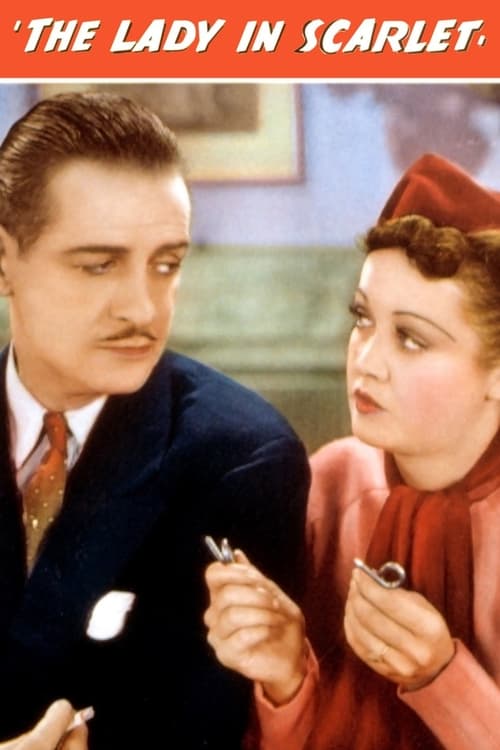
Representation Score
Minimal
1935
NRDirector
Charles Lamont
Runtime
65 minutes
Average Rating
No ratings yetNew Showbiz Analysis
The Lady in Scarlet is a conventional 1935 mystery-romance that mirrors its time. It upholds the social and demographic hierarchies common in mid-1930s cinema rather than challenging them. While the film offers a measure of female empowerment through its main character, it does not question the racial homogeneity of the era. The narrative stays within traditional genre confines. Overall, the film lacks layered representation, functioning as a standard studio product that reflects the era's limited demographic and social viewpoints.
Category Breakdown
The film follows the heterosexual and cisgender norms of the 1930s. There is no depiction of same-sex relationships or non-cisgender identities, with romantic plots centered around traditional courtship.
Carole Lombard plays a central female protagonist with significant influence. However, the 16th-century backdrop emphasizes patriarchal norms, portraying her struggle as survival within a male-dominated society.
Casting aligns with the uniform standards of 1935. The story centers on a narrow European social hierarchy without featuring non-Anglo-Saxon characters in key roles.
The plot addresses religious authority and persecution of witches. While it critiques institutional dogma, the film remains a typical period romance reflecting contemporary moral views.
There is no documented evidence regarding the portrayal of physical or neurodivergent disabilities in this production.
Present on Screen
Limited or Absent
Official Synopsis
When a wealthy art dealer is murdered, the private investigator hired for the case discovers a web of blackmail, corruption and stolen bonds.
1937
1946
1925
1941
1931

1944
1931
1935
No reviews yet. Be the first to share your thoughts on this movie!
Use the rating form above to leave a star rating and optional review.