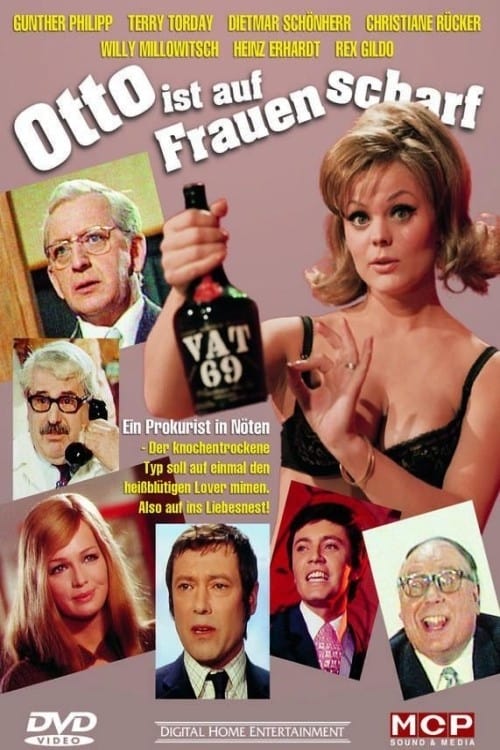
Otto ist auf Frauen scharf
1968
No user ratings available yet
Representation score: 1.4 out of 10
Representation Score
Minimal
1984
Director
Wolfgang G. Kruse
Runtime
82 minutes
Average Rating
No ratings yetNew Showbiz Analysis
This 1984 comedy follows two men, Anton and Fietje, on a mission to film the female bosom. The film adheres to low-budget comedic traditions of its time, focusing on male-centric perspectives and voyeuristic humor. It lacks depth in representing diverse racial, cultural, or LGBTQ+ identities, sticking to conventional social hierarchies and common clichés of early 80s German cinema. Ultimately, the film reinforces established social norms without challenging them.
Category Breakdown
The film does not include any LGBTQ+ characters or narratives that question the assumption that everyone is straight or cisgender.
The story revolves around two male characters pursuing a comedic goal, which treats women as objects rather than independent individuals.
The cast seems homogeneous, typical of 1984 German comedies. There is no indication of racial diversity or non-white majority casts.
The story follows standard comedic formulas of its era, without any significant critique of Western institutions, religion, or capitalism.
There are no characters with visible or invisible disabilities featured in the film.
Present on Screen
Limited or Absent
Official Synopsis
The filmmaker Anton travels to Munich, where he and his friend Fietje want to make a film about the female bosom.
1968
1985
1980
1969

1976
2018
1971

1973
No reviews yet. Be the first to share your thoughts on this movie!
Use the rating form above to leave a star rating and optional review.