
The Blue Streak
1926
No user ratings available yet
Diversity score: 3.0 out of 10
1926
PassedDirector
Herman C. Raymaker
Runtime
67 minutes
Average Rating
No ratings yetSynopsis
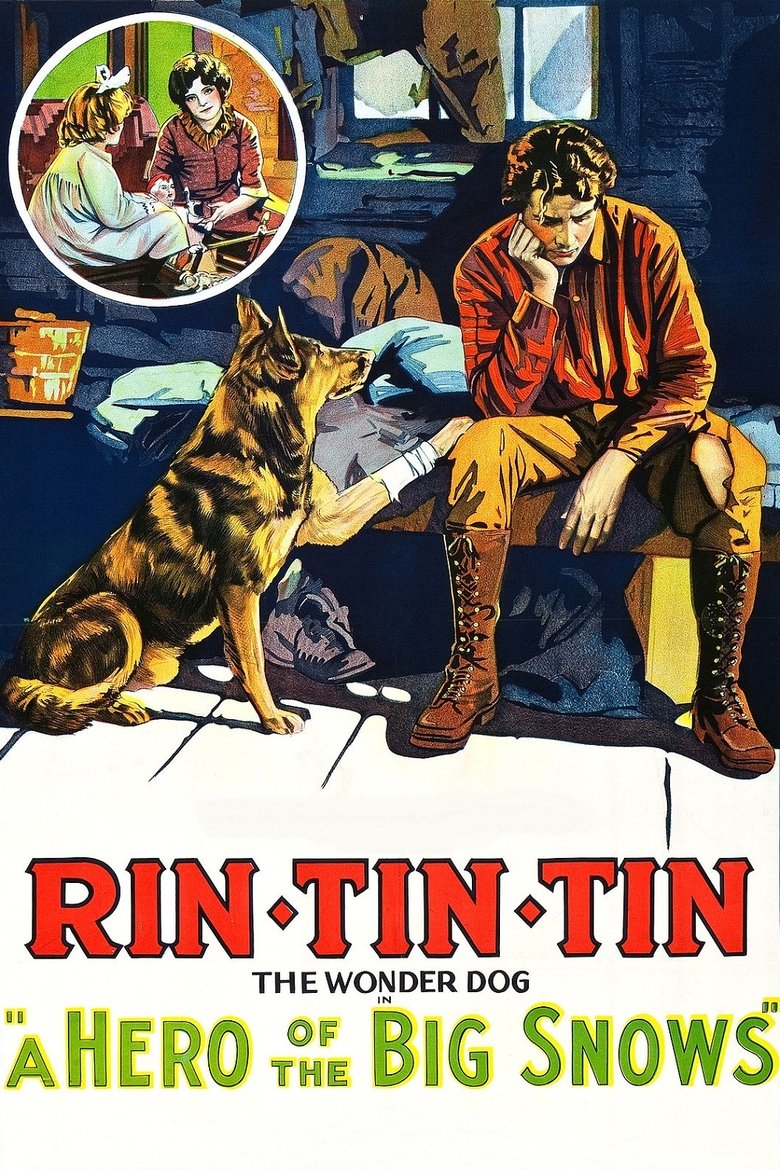
Rin-Tin-Tin is saved from the beatings of a trapper by Ed Nolan, a shiftless trapper himself, and 'Rinty" follows Nolan home to his cabin but refuses to enter. Nolan takes him to the home of Mary Mallory, the girl he has failed to win as his wife because of his ways, and in their mutual love of 'Rinty," a new understanding is born and Nolan goes to work.
Overall Score
Limited
Category Breakdown
LGBTQ+ Representation
The film lacks LGBTQ+ characters or non-cisnormative identities. The romantic tension is strictly limited to a traditional heterosexual courtship between Ed Nolan and Mary Mallory.
Gender Representation
Agency is centered on the male protagonist and the dog, Rin-Tin-Tin. Mary Mallory acts as a stabilizing domestic force and a catalyst for Nolan's moral reformation.
Racial & Ethnic Diversity
The setting focuses on a homogeneous group of trappers. There is no evidence of non-white characters or the subversion of Anglo-Saxon demographic norms.
Religious & Cultural Diversity
The plot reinforces traditional Western values and the sanctity of marriage. It follows a classic moral arc where labor and domesticity provide social redemption.
Disability Representation
The narrative provides no depiction of physical or neurodivergent disabilities. There is no evidence of characters navigating such experiences.
Strengths
Areas for Improvement
AI Analysis
A Hero of the Big Snows is a conventional silent-era adventure that adheres to the standard social hierarchies of the 1920s. The story focuses on a singular moral trajectory: a shiftless man finding redemption through manual labor and domestic stability. The film reinforces traditional Western archetypes rather than challenging them. It centers on a homogeneous frontier setting and relies on established gender roles to drive the plot forward. Ultimately, the work lacks intersectional complexity. It functions as a straightforward romance and action piece that upholds the era's status quo regarding race, gender, and social structure.
1926
1927
1925
1926
No reviews yet. Be the first to share your thoughts on this movie!
Use the rating form above to leave a star rating and optional review.