Fast and Loose
1930
No user ratings available yet
Representation score: 0.6 out of 10
Representation Score
Minimal
1934
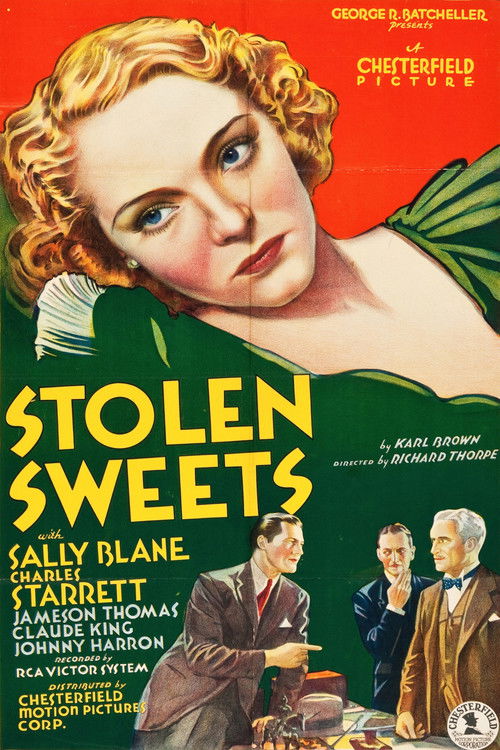
ApprovedDirector
Richard Thorpe
Runtime
75 minutes
Average Rating
No ratings yetNew Showbiz Analysis
Stolen Sweets operates as a typical romantic comedy that depends on well-established class clichés to advance its plot. The central conflict between inherited wealth and middle-class vitality follows a predictable pattern common to the era. The film reinforces existing social and demographic hierarchies without challenging them. It lacks the complexity required to offer nuanced representation of diverse identities or progressive social critiques. Ultimately, the production serves as a conventional period piece. It uses socioeconomic distinctions as a comedic backdrop for a traditional romantic resolution.
Category Breakdown
The film follows traditional heterosexual romantic structures typical of 1930s studio comedies. There are no narratives or identities that critique the assumption that everyone is straight or cisgender.
Patricia Belmont adds tension by prioritizing emotional authenticity over social status. However, the characters mostly adhere to conventional gender roles of the time.
The cast mirrors the homogeneous demographics expected in 1930s Hollywood. There are no characters from non-Anglo-Saxon backgrounds.
The story unfolds within a traditional capitalist and class-based framework. It upholds standard social aspirations rather than deconstructing traditional family units.
The narrative does not include characters with visible or invisible disabilities. It does not address neurodivergence or physical impairments.
Present on Screen
Limited or Absent
Official Synopsis
Wealthy but unhappy Patricia Belmont meets fun-loving insurance salesman Bill Smith (and his fun-loving friends Sam Ragland and Betty Harkness)on a ship cruise and falls in love, much to the annoyance of her high-society, fortune-hunting fiance Barrington Thorne.
1930
1938
1928

1924

1937
1938
1927
1940
No reviews yet. Be the first to share your thoughts on this movie!
Use the rating form above to leave a star rating and optional review.