
The Incantation
2018
No user ratings available yet
Representation score: 4.5 out of 10
Representation Score
Limited
1974
Director
Daniel Daërt
Runtime
90 minutes
Average Rating
No ratings yetNew Showbiz Analysis
Primarily functioning as an atmospheric period piece, the film prioritizes aesthetic formalism over sociopolitical commentary. Though it offers a nuanced portrayal of the internal lives of its female characters, the narrative largely adheres to the historical and social hierarchies of 19th-century France. Representation is constrained by the film's localized, homogeneous setting. The story explores themes of desire and sensory indulgence but does not actively challenge traditional systemic norms or offer diverse perspectives.
Category Breakdown
The film focuses on a young couple and includes a subplot where an elderly man seduces a maid. It doesn't explicitly include non-traditional gender identities, sticking to conventional romantic relationships.
Maxime's character presents a complex view of femininity by balancing her upper-class appearance with her unfiltered sensory experiences. However, the film also portrays predatory male behavior that reinforces traditional gender power dynamics.
Set in 19th-century rural France, the film centers on a bourgeois family. The cast appears uniform, reflecting the era's social structure without showing ethnic diversity.
The film creates an 'adult fairy tale' atmosphere that emphasizes sensory pleasure over strict religious doctrine. While it delves into individualistic human nature, it stays within traditional Western class structures.
The film does not feature any characters with visible or invisible disabilities. The narrative does not address neurodivergence or physical impairments.
Present on Screen
Limited or Absent
Official Synopsis
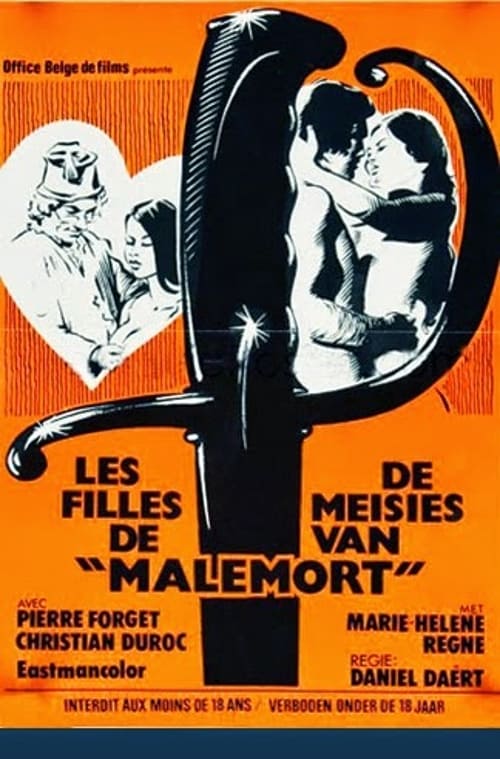
A young couple discover an ancient book in the attic and start reading the story of the Malemort family: a sombre household set in the nineteenth century in rural France. The old man Deroze plays his violin and tries to seduce the maid. His elder daughter Maxime "qui tue les mouches et deguste en cachette des fruits juteux". Underneath her bourgeois facade her senses are not yet put to rest. There is the rest of this upstairs/downstairs family who is visited by a sea captain who learns of a hidden treasure The storyline of this adult fairy tale is less important than the cinematography and the lyric fairy tale atmosphere that surrounds this movie. A little masterpiece still to be rediscovered.
2018

1932

1975

1970
1984
1997

2010

1984
No reviews yet. Be the first to share your thoughts on this movie!
Use the rating form above to leave a star rating and optional review.