
The Waitress Anna
1941
No user ratings available yet
Representation score: 1.7 out of 10
Representation Score
Fair
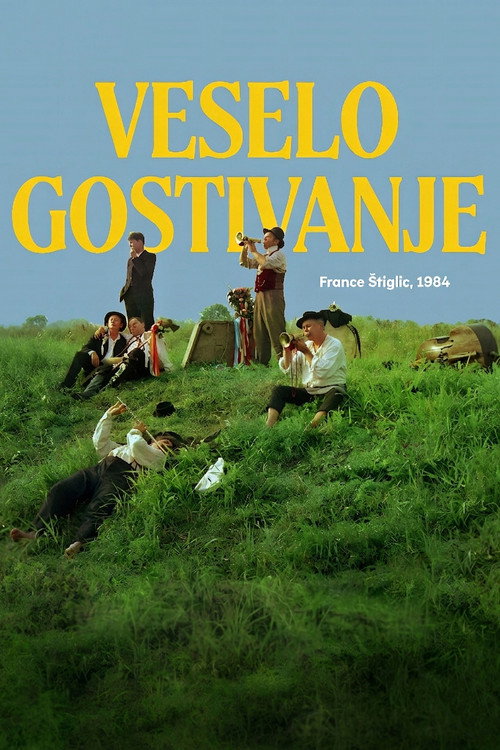
1984
Director
France Štiglic
Runtime
98 minutes
Average Rating
No ratings yetNew Showbiz Analysis
The film serves as a character study focusing on the tension between institutional authority and personal expression. It successfully challenges traditional vocational roles by emphasizing a narrative centered on secularism and personal truth. While the film lacks broad racial and LGBTQ+ representation, it offers thematic depth. The protagonist's transition from theology to music provides a meaningful critique of established social and religious structures. Ultimately, the work prioritizes psychological depth over broad demographic representation, making it a study of individual ability to act rather than a diverse ensemble piece.
Category Breakdown
The film doesn't explicitly confirm any queer identities or same-sex relationships. However, the protagonist's rejection of a strict religious path hints at a possible exploration of non-traditional lifestyles.
The story focuses on a male protagonist's journey towards self-realization. His decision to leave a traditional profession suggests a move away from rigid, patriarchal expectations.
Set in 1920s Ljubljana, the film seems to take place in a culturally homogeneous environment. There is no indication of significant ethnic diversity or varied casting.
The film critiques religious dominance by highlighting individual passion over institutional doctrine. It examines the tension between structured faith and the pursuit of music.
There is no information available regarding the portrayal of physically or neurodivergent characters in this film.
Present on Screen
Limited or Absent
Official Synopsis
In 1920s Ljubljana, a student of theology decides to leave his studies and dedicate to music.
1941
1991

1982
1998
1970

1993

1968

1975
No reviews yet. Be the first to share your thoughts on this movie!
Use the rating form above to leave a star rating and optional review.