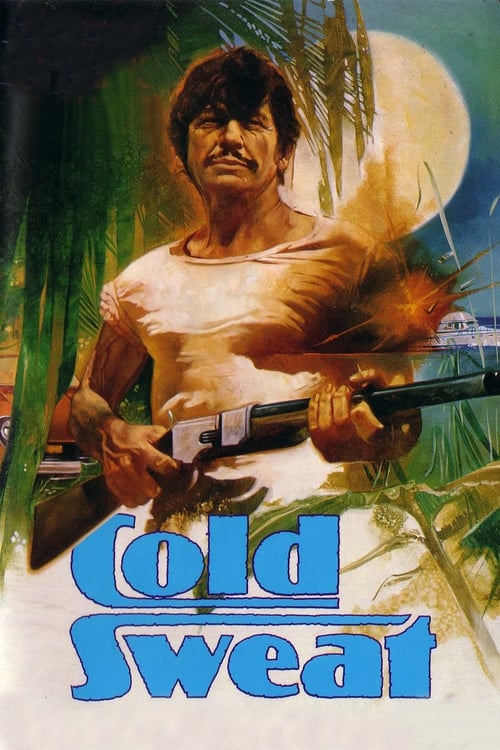
Cold Sweat
1970
No user ratings available yet
Representation score: 1.1 out of 10

Representation Score
Minimal
1969
Director
Lee Seong-gu
Runtime
97 minutes
Average Rating
No ratings yetNew Showbiz Analysis
Seven People in the Cellar is a period-specific thriller reflecting the socio-political constraints of 1960s South Korea. The narrative structure is built around traditional hierarchies of military command and religious authority. The film functions as a survivalist tale where power dynamics are dictated by the historical North-South divide. It reinforces the ideological conflicts of its era rather than challenging them. Ultimately, the film lacks intentional representation of diverse identities, focusing instead on the friction between the church and wartime military necessity.
Category Breakdown
The film centers on military conflict and religious preservation. It does not include any non-straight or non-cisgender identities or critiques of heteronormativity.
The story emphasizes traditional masculine leadership roles through soldiers and the South Korean Captain. Plot drivers like tactical strategy are framed through a conventional masculine perspective.
The film portrays a homogeneous ethnic group within the Korean Peninsula. Conflict is defined by ideological and political identity rather than modern racial diversity.
The story explores tensions between religious institutions and military power. Morality is tied to protecting a religious figure and traditional institutional values.
There is no documented evidence regarding the portrayal of physical or neurodivergent disabilities in this work.
Present on Screen
Limited or Absent
Official Synopsis
Father An is locked up in a basement by retreating North Korean soldiers while reconstructing his church ruined during the Korean War (1950-1953). The North Koreans hide in the basement with Father An and tries to escape the church by using him as a shield. Captain Choe Dong-ho of the South Korean Army has been chasing the remnants, but he cannot annihilate them because of the safety of Father An. However, thanks to the clever strategy of Captain Choe, the North Koreans are killed and Father An is safely saved.
1970
1956
1967

1969
2017

2010
1962
2006
No reviews yet. Be the first to share your thoughts on this movie!
Use the rating form above to leave a star rating and optional review.