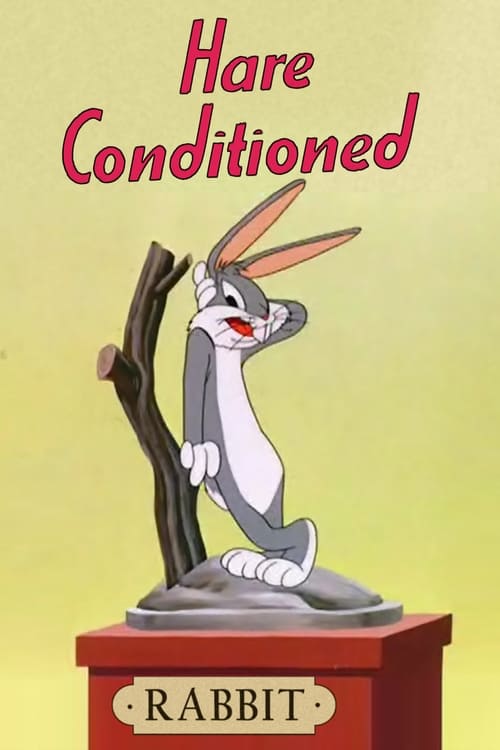
Hare Conditioned
1945
No user ratings available yet
Diversity score: 1.8 out of 10
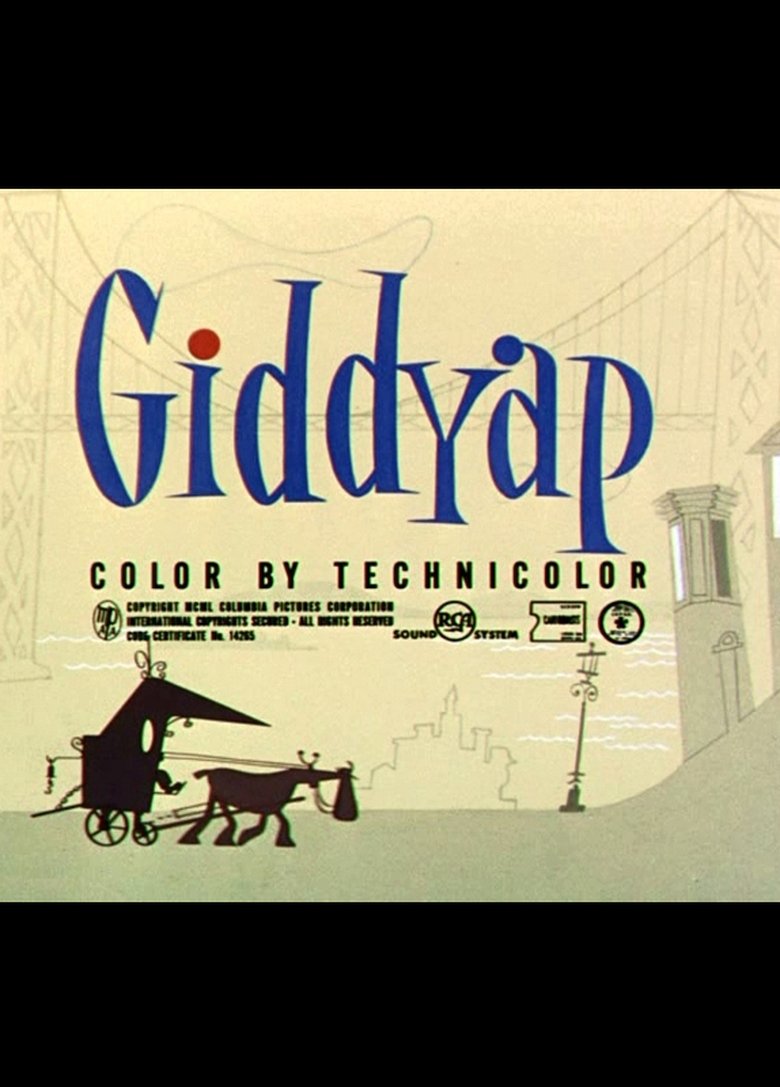
1950
ApprovedDirector
Art Babbitt
Runtime
7 minutes
Average Rating
No ratings yetSynopsis
A family's horse-drawn ice delivery business is threatened by a more modern automobile-using company.
Overall Score
Minimal
Category Breakdown
LGBTQ+ Representation
The film offers no evidence of non-cisnormative identities. The narrative appears to follow the standard heteronormative social structures typical of 1950s animation.
Gender Representation
The story centers on a family business, which likely utilizes traditional domestic hierarchies. While female family members may exist within the business, specific character arcs are not detailed.
Racial & Ethnic Diversity
The production lacks any indication of a non-white or non-Anglo-Saxon cast. It reflects the homogeneous demographic norms and Western, middle-class archetypes common in the era.
Religious & Cultural Diversity
The film explores the friction between traditionalism and modernity through industrial capitalism. It examines how modern corporations disrupt small, traditional community structures.
Disability Representation
There is no evidence regarding the inclusion of characters with physical or neurodivergent traits. The plot remains focused on the economic conflict of the delivery business.
Strengths
Areas for Improvement
AI Analysis
Giddyap is a mid-century animated short that prioritizes a 'tradition vs. progress' conflict over social representation. The narrative focuses on the tension between a horse-drawn ice delivery business and the rise of automobile-using competitors. As a period-specific artifact, the film adheres to the storytelling conventions of 1950. It lacks intentionality regarding intersectional identities, focusing instead on the technological transition of the post-war era. The work functions primarily as a study of industrial modernization rather than a vehicle for social critique or diverse character exploration.
1945

1951
1936
1971
1949
1959
1937
1941
1950
1950
1948
1936
No reviews yet. Be the first to share your thoughts on this movie!
Use the rating form above to leave a star rating and optional review.