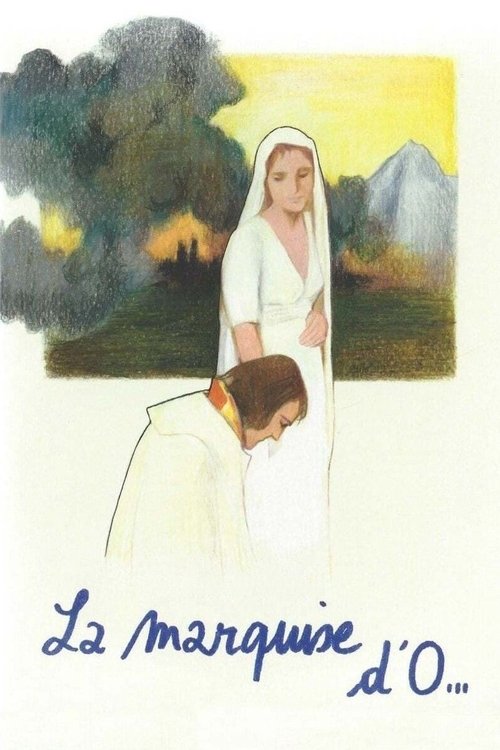
The Marquise of O
1976
No user ratings available yet
Diversity score: 3.9 out of 10

2013
Director
Albert Serra
Runtime
148 minutes
Average Rating
No ratings yetSynopsis
Casanova meets a new servant who will witness his last moments in life, from a castle with its libertine 18th century atmosphere to the poor, shadowy Northern lands. There, his rationalist way of thinking and mundane world will succumb to a violent and romantic force, represented by Count Dracula.
Overall Score
Fair
Category Breakdown
LGBTQ+ Representation
The film lacks explicit depictions of LGBTQ+ identities or non-heteronormative romantic structures. The narrative focuses on the mythic connection between Orpheus and Eurydice without queer-coded subtext.
Gender Representation
The film avoids traditional gender hierarchies by shifting power dynamics toward the protagonist's psychological burden. However, the narrative remains centered on the male experience, limiting the evaluation of female agency.
Racial & Ethnic Diversity
Set in a mythic Mediterranean landscape, the production utilizes a predominantly white, Mediterranean-coded cast. It does not employ color-blind casting or intentional racial subversion within its stylized setting.
Religious & Cultural Diversity
The film excels by disrupting Western moral frameworks through moral relativism and existential ambiguity. It treats myth as a philosophical subject for deconstruction rather than a religious institution to be venerated.
Disability Representation
There are no documented portrayals of visible or invisible disabilities. Characters exist in a psychological space that precludes standard tropes of physical or neurodivergent representation.
Strengths
Areas for Improvement
AI Analysis
Albert Serra’s film is an intellectually subversive work that prioritizes philosophical deconstruction over demographic variety. It succeeds in challenging traditional Western moralities and rigid hierarchies through its postmodern, dreamlike approach to myth. However, the film remains demographically conventional. It lacks meaningful representation regarding race, LGBTQ+ identities, and gender agency, focusing instead on a singular, male-centric mythic experience within a white-coded landscape. Ultimately, the film's strength lies in its narrative architecture rather than its social inclusivity. It offers a sophisticated critique of established truths while remaining limited in its breadth of human experience.
1976

1981
2018
2022

2017
1908
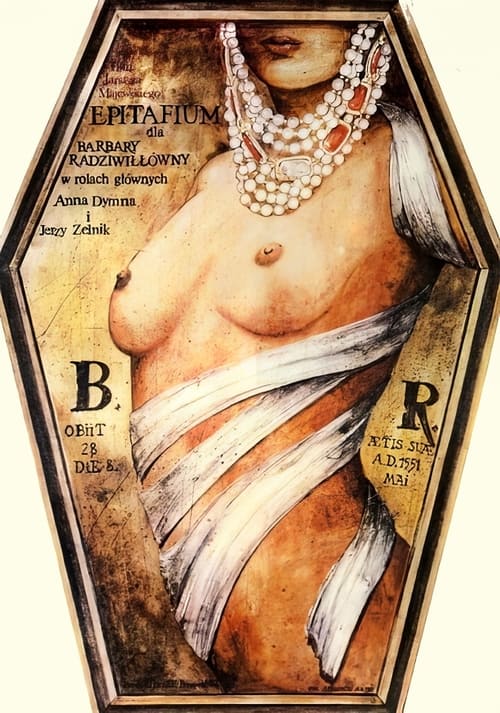
1983

1979

2018
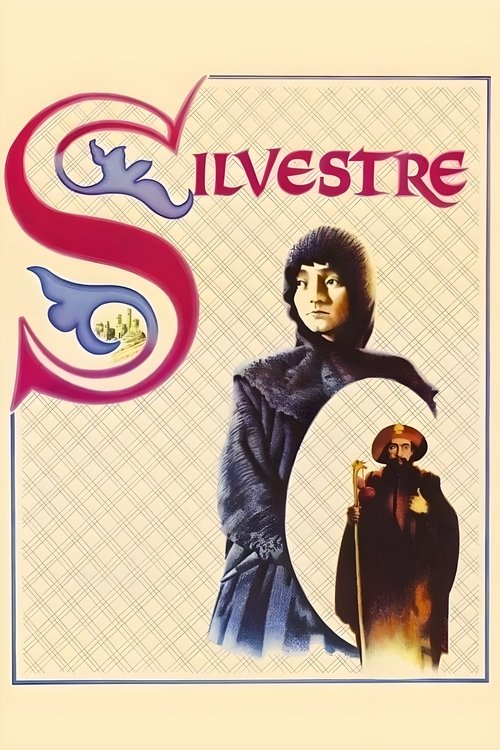
1982
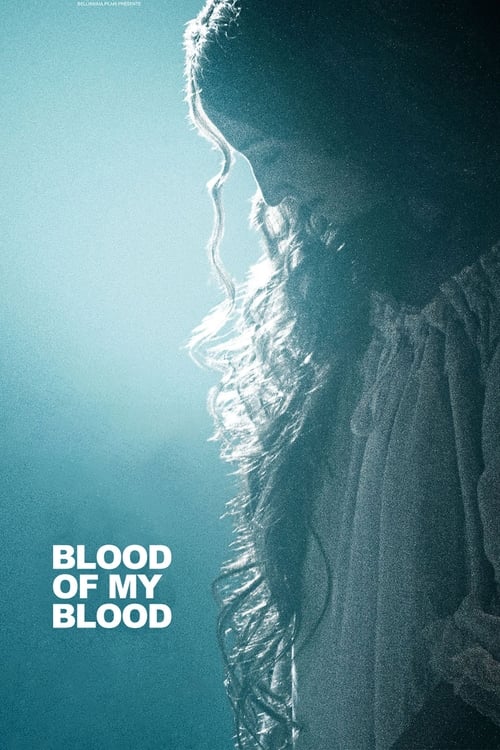
2015
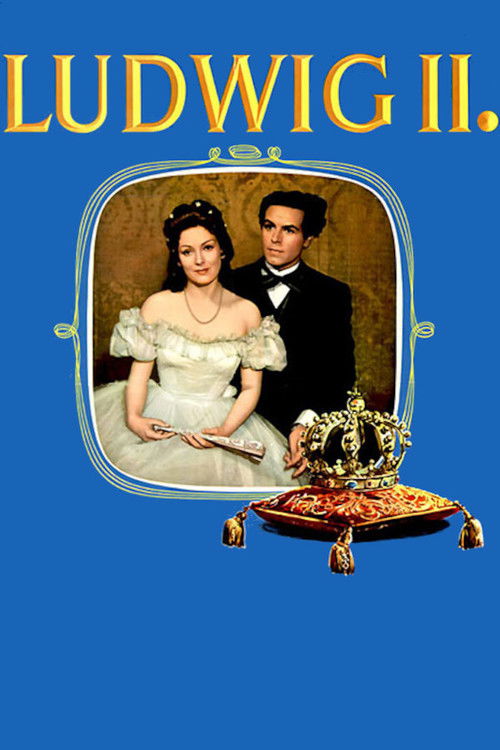
1955
No reviews yet. Be the first to share your thoughts on this movie!
Use the rating form above to leave a star rating and optional review.