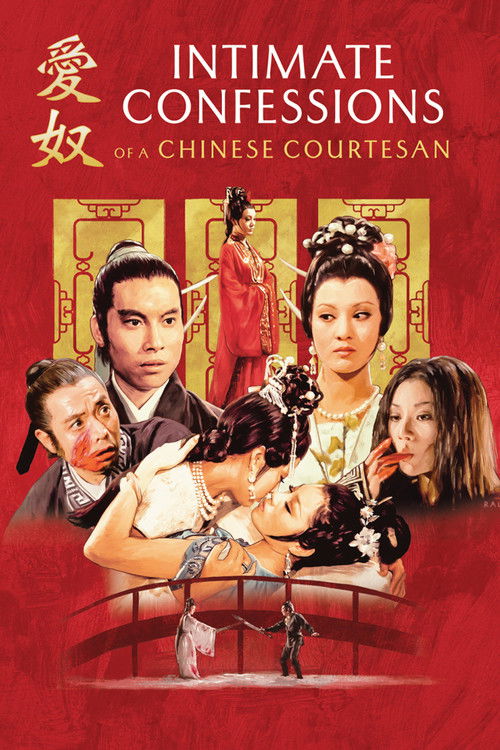
Intimate Confessions of a Chinese Courtesan
1972
No user ratings available yet
Representation score: 6.0 out of 10
Representation Score
Fair
1993
Director
Kevin Chu
Runtime
79 minutes
Average Rating
No ratings yetNew Showbiz Analysis
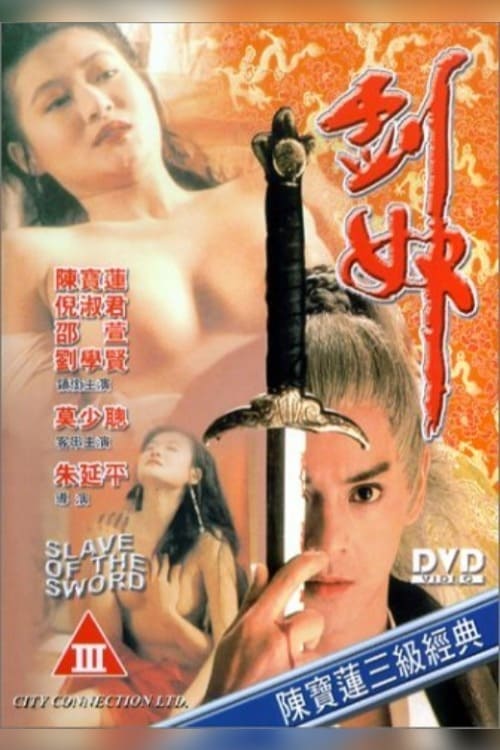
Slave of the Sword succeeds in challenging traditional gender hierarchies by centering its plot on women's ability to drive the story and survival. Characters like Yeh Hong exert significant social influence, moving the story beyond simple martial arts clichés into a web of political intrigue. The film provides a culturally specific lens, focusing on the internal power dynamics of an East Asian imperial setting. This avoids the white-normative perspectives often found in Western period dramas, offering a more authentic look at class and social structures. However, the film lacks engagement with queer identities or disability representation. While it challenges patriarchal stability through its depiction of corruption, it remains focused on traditional interpersonal romantic tension.
Category Breakdown
The film does not explicitly depict LGBTQ+ identities or relationships. The central romantic tensions revolve around the interactions between Mu-Lin, Kim, and Yeh Hong.
Women play central roles in the film, actively navigating dangerous political landscapes and high-stakes environments. They are not portrayed as passive stereotypes.
The film presents a non-Western perspective through its predominantly East Asian cast. It focuses on internal socio-political struggles rather than Western-centric narratives.
The narrative critiques centralized authority and systemic corruption within the imperial court. It explores moral relativism during a period of historical upheaval.
There is no documented evidence regarding the portrayal of physical or neurodivergent disabilities in this work.
Present on Screen
Limited or Absent
Official Synopsis
During a period of upheaval, an itinerant performer has a troupe of four children, one of whom is his daughter Mu-Lin. Jump ahead 15 years, he's ready to retire and has arranged Mu-Lin's marriage. Someone he recognizes enters his house and murders him. Mu-Lin is brought to a fancy bordello where the most beautiful prostitute, Yeh Hong, takes a special interest in her. One of Yeh Hong's lovers, Kim, who is an assassin, also develops a relationship with Mu-Lin. He and Yeh Hong may be working with the emperor's eunuch; all are power hungry. Things seem more than coincidental: does Mu-Lin have a history with this trio? If so, what is it?
1972
1984
1979
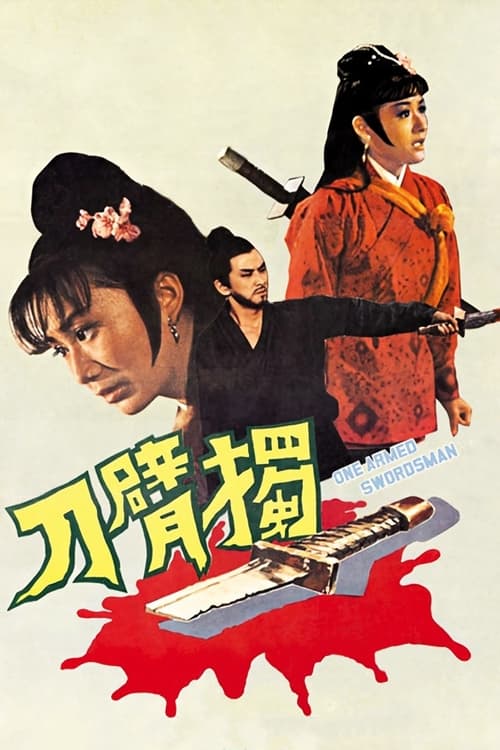
1967
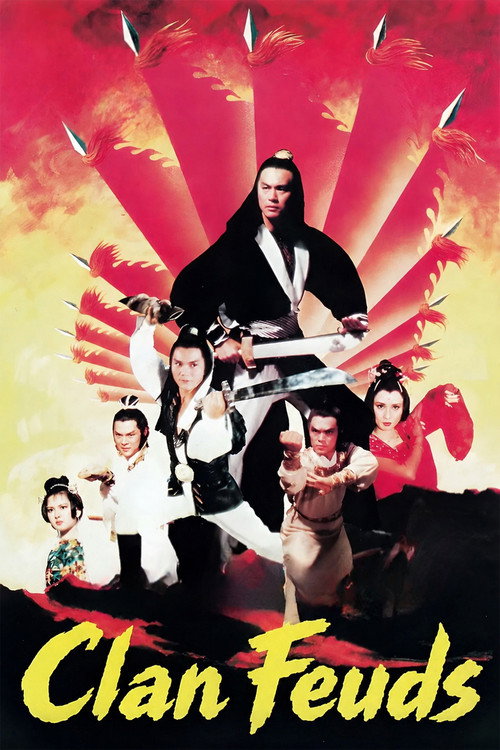
1982
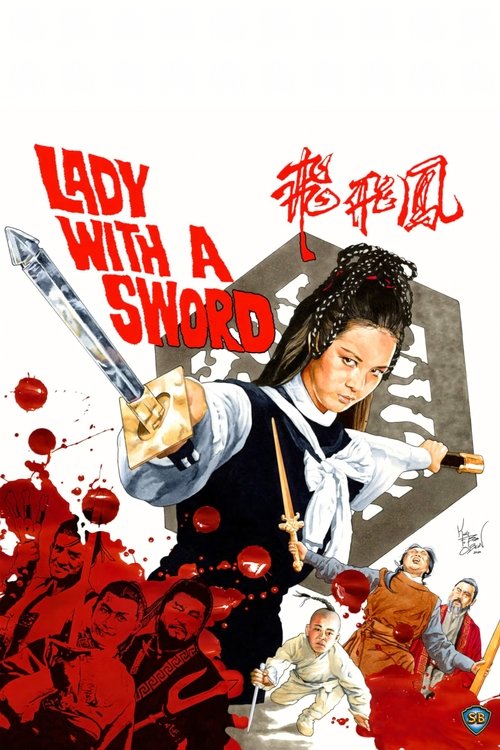
1971
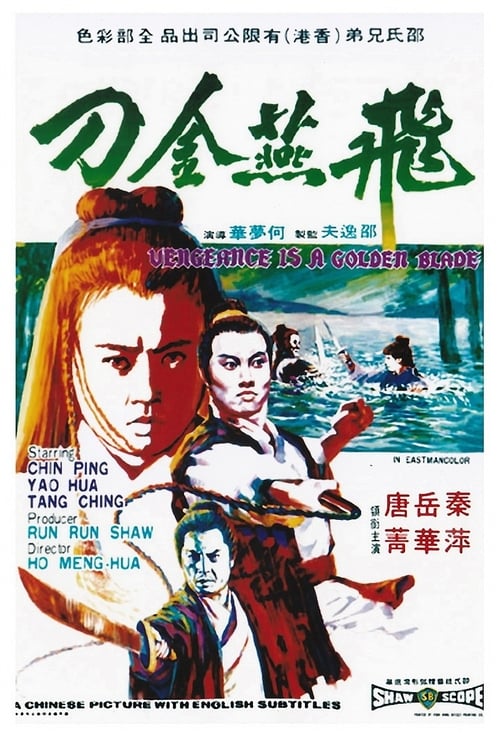
1969

1969
No reviews yet. Be the first to share your thoughts on this movie!
Use the rating form above to leave a star rating and optional review.