A Confucian Confusion
1994
No user ratings available yet
Representation score: 6.7 out of 10
Representation Score
Excellent
2005
Not RatedDirector
Tsai Ming-liang
Runtime
114 minutes
Average Rating
No ratings yetNew Showbiz Analysis
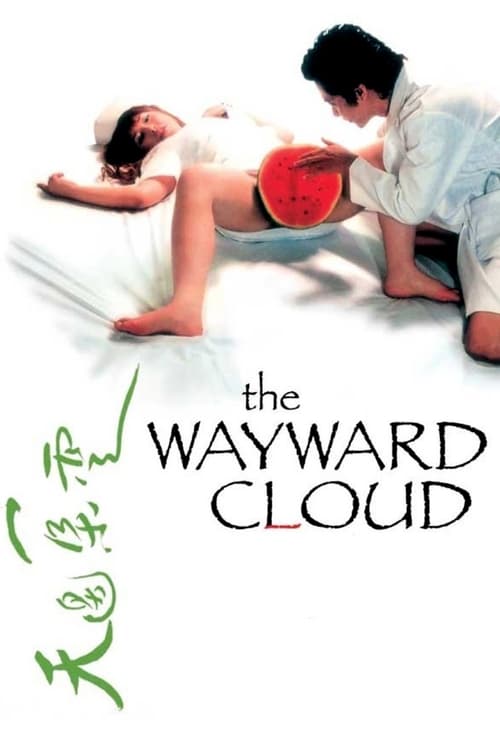
The Wayward Cloud is a profound exercise in cinematic minimalism that uses slow cinema to explore urban alienation in Taipei. It deconstructs traditional social structures and gendered dignity through its focus on bodily autonomy and vulnerability. The film excels in its subversion of straight-centered and capitalist frameworks, offering a nuanced look at class-based identity and fluid desire. However, the representation of disability remains metaphorical rather than specific, and the racial diversity is limited by the homogeneous socioeconomic context of the setting.
Category Breakdown
The film challenges traditional expectations about sexuality and relationships by exploring fluid desires and intimate connections as responses to loneliness, rather than fixed labels.
Tsai subverts traditional gender roles by stripping away the performance of masculinity and femininity. Characters are shown in states of extreme vulnerability, with dignity often tied to reclaiming bodily autonomy.
Set in Taipei, the film resists Western cinematic clichés by offering a localized perspective. It focuses on underrepresented inhabitants and the intersection of ethnicity and urban poverty.
The narrative provides a sophisticated critique of modernity and late-stage capitalism. It depicts the dehumanizing effects of urban density and the breakdown of traditional communal values.
The film highlights the invisible disability of psychological alienation and social withdrawal. These conditions serve as metaphors for isolation rather than specific character traits.
Present on Screen
Limited or Absent
Official Synopsis
Hsiao-Kang, now working as an adult movie actor, meets Shiang-chyi once again. Meanwhile, the city of Taipei faces a water shortage that makes the sales of watermelons skyrocket.
1994

1999
2003

1994

2008

2015

2004
1993
No reviews yet. Be the first to share your thoughts on this movie!
Use the rating form above to leave a star rating and optional review.