
Kiss Me a Killer
1991
No user ratings available yet
Representation score: 2.4 out of 10
Representation Score
Limited
1993
Director
Gregory Dark
Runtime
90 minutes
Average Rating
No ratings yetNew Showbiz Analysis
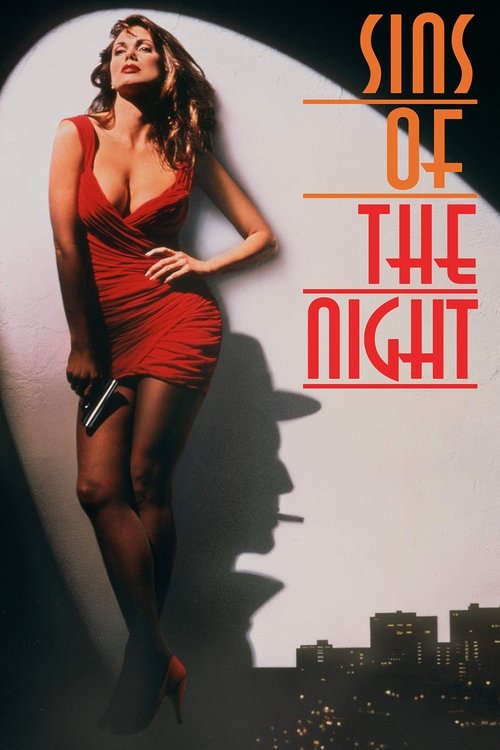
Sins of the Night operates as a conventional genre thriller that centers on individual conflicts rather than identity politics. While it offers minor subversions of gender roles through women's ability to drive the story, the film lacks depth in exploring diverse social hierarchies. The narrative leans heavily on established archetypes and personal betrayals, keeping it firmly within traditional noir clichés. The absence of racial diversity and the transactional approach to LGBTQ+ backstory limit the film’s potential for a more progressive stance.
Category Breakdown
The film includes a character's past same-sex relationship, but these details mainly serve as plot devices for conflict rather than deep explorations of queer identity.
Roxie challenges traditional female stereotypes by deceiving male characters, though her actions are driven by personal gain rather than a critique of systemic issues.
The cast appears to be predominantly non-white or non-Anglo-Saxon, but there is no indication of a diverse range of racial or ethnic backgrounds.
The story adheres to noir-thriller conventions, using moral ambiguity as part of its atmosphere. It avoids a direct critique of Western institutions or capitalism, relying instead on genre clichés.
There are no characters with visible or invisible disabilities featured in the film.
Present on Screen
Limited or Absent
Official Synopsis
Jack Nietsche is a hardened ex-con who now works for an P.I. firm, run by Ted Quincy. Quincy's ex-lover is Roxie, now wife to godfather Tony Falcone. In a huge mix-up/double-cross, Roxie plots with Jack to get rid of Falcone and Quincy, one an abusive husband, the other a demented role playing ex-lover, and run away with Jack. But the double crossings don't end there
1991

1989

1992

1994
1996
1993
1994

2005
No reviews yet. Be the first to share your thoughts on this movie!
Use the rating form above to leave a star rating and optional review.