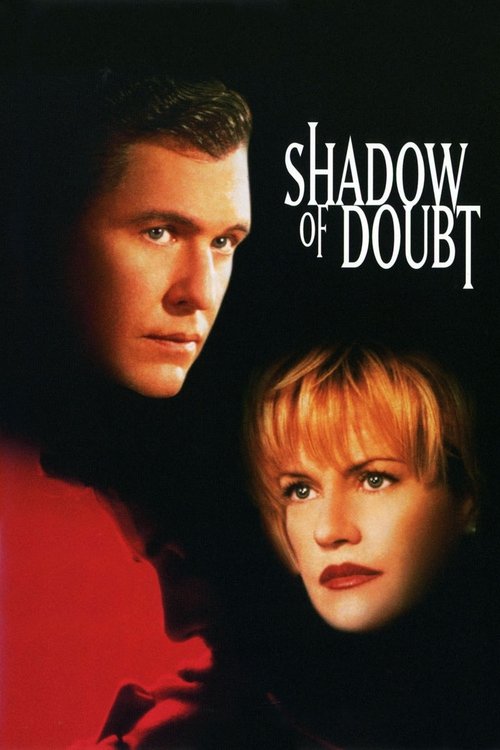
Shadow of Doubt
1998
No user ratings available yet
Representation score: 3.3 out of 10
Representation Score
Limited
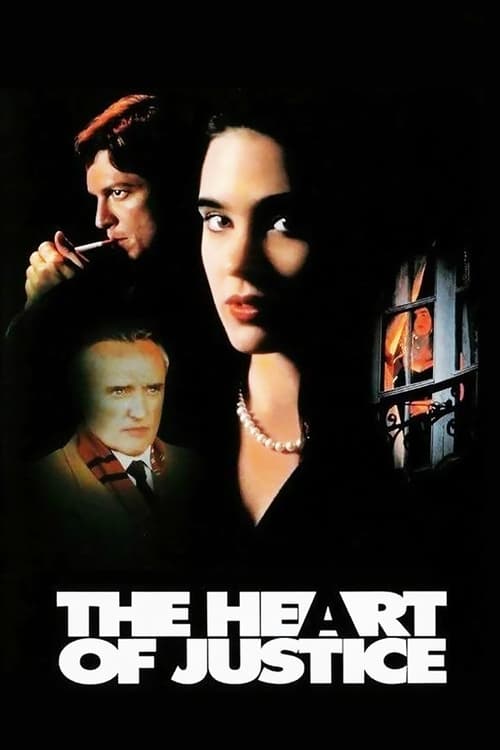
1992
Director
Bruno Barreto
Runtime
88 minutes
Average Rating
No ratings yetNew Showbiz Analysis
The Heart of Justice is a conventional crime thriller that relies heavily on established genre clichés. While it introduces ethnic diversity through its lead casting, it remains tied to traditional social hierarchies. The narrative centers around a singular male-driven investigation, offering limited space for diverse perspectives or layered identities. It functions primarily as a tale of personal retribution rather than a vehicle for social commentary. Overall, the production prioritizes individualist storytelling over the deconstruction of Western norms or the inclusion of underrepresented identities.
Category Breakdown
The film follows a traditional framework that assumes everyone is straight or cisgender. There are no LGBTQ+ characters or storylines in the narrative.
The male protagonist drives the story, following standard genre clichés. Female characters have limited narrative autonomy and do not challenge traditional roles.
Casting Antonio Banderas in a central role adds ethnic diversity. This departs slightly from the homogeneous casting typical of Western crime dramas.
The story emphasizes individual justice and personal morality, adhering to traditional Western values and standard law enforcement dynamics.
There are no characters with visible or invisible disabilities. Disability is not used as a central theme or for character development.
Present on Screen
Limited or Absent
Official Synopsis
David Leader investigates a seemingly senseless murder, and in the course of it is drawn into the labyrinth of a sinisterly unique wealthy family...
1998

1976
1997
2006

1992

1996
1987
2017
No reviews yet. Be the first to share your thoughts on this movie!
Use the rating form above to leave a star rating and optional review.