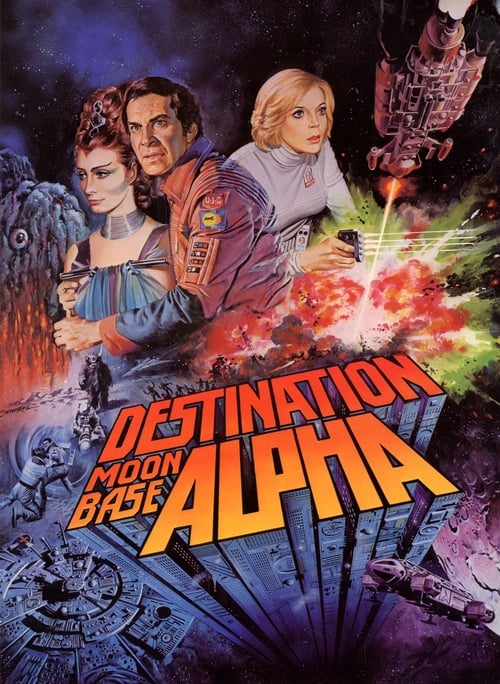
Destination Moonbase-Alpha
1978
No user ratings available yet
Representation score: 2.4 out of 10
Representation Score
Limited
1979
PGDirector
George McCowan
Runtime
98 minutes
Average Rating
No ratings yetNew Showbiz Analysis
The film is a conventional 1970s science fiction adventure that prioritizes a centralized, patriarchal heroism. It relies on a clear moral dichotomy between the protectors of humanity and a singular, megalomaniacal villain. While the film offers some female participation in a technical, high-stakes mission, it lacks multi-layered depth. The narrative structure remains rooted in traditional Western clichés and standard genre conventions of its era.
Category Breakdown
The film does not include any explicit LGBTQ+ characters or narratives. The character dynamics follow a traditional peer-group structure typical of 1970s adventure cinema.
The story centers on a patriarchal hierarchy led by Dr. Caball and his son. Kim provides some ability to act by participating in the high-stakes mission.
The narrative focuses on a generic 'humanity' in a post-apocalyptic setting. There is no specific evidence of diverse casting beyond standard Western-centric models.
The plot follows a classic hero versus villain framework. It upholds traditional Western values of scientific stewardship and the protection of established civilization.
There is no information available regarding characters with visible or invisible disabilities in this production.
Present on Screen
Limited or Absent
Official Synopsis
Planet Earth is a devastated wasteland, and what's left of humanity has colonized the Moon in domed cities. Humanity's continued survival depends on an anti-radiation drug only available on planet Delta Three, which has been taken over by Omus, a brilliant but mad mechanic who places no value on human life. Omus wants to come to the Moon to rule and intends to attack it by ramming robot-controlled spaceships into the domes. Dr. John Caball, his son Jason, Jason's friend, Kim, and a robot named Sparks embark on Caball's space battlecruiser on an unauthorized mission to Delta Three to stop Omus.
1978
1979

1965

1982
1977
1979

1979
1978
No reviews yet. Be the first to share your thoughts on this movie!
Use the rating form above to leave a star rating and optional review.