One Quack Mind
1951
No user ratings available yet
Representation score: 1.4 out of 10
Representation Score
Limited
1950
PassedDirector
Izzy Sparber
Runtime
7 minutes
Average Rating
No ratings yetNew Showbiz Analysis
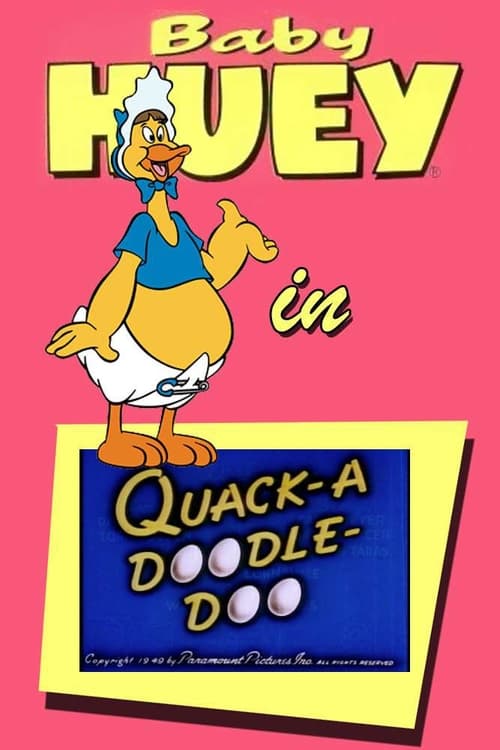
Quack-a Doodle-Doo follows a typical outcast-to-hero storyline common in mid-century animation. The story revolves around Baby Huey, a character defined by physical differences who faces social exclusion from his community. While the film offers a platform for a underrepresented character to gain influence, it does so through a narrow perspective. Huey's value is tied directly to his physical usefulness in protecting the group from external threats. Ultimately, the narrative upholds traditional social hierarchies. The protagonist is only validated once he proves his worth to the established collective, rather than the film challenging the community's initial cruelty.
Category Breakdown
The film doesn't include any LGBTQ+ identities or same-sex relationships. Character interactions are limited to family and maternal roles.
The story relies on traditional gender roles where female characters act as a collective judge without showing much individual strength or independence.
As an animal tale, the film doesn't have explicit racial markers. However, the uniform social structure reflects the era's lack of diverse character types.
The story explores social exclusion and community unity. It emphasizes individual heroism as a means for social acceptance without questioning the status quo.
Baby Huey’s clumsiness and large size serve as metaphors for physical or neurodivergent differences. He evolves from a ridiculed outcast to an active protector through his unique qualities.
Present on Screen
Limited or Absent
Official Synopsis
His Mama is the only one who love Baby Huey, an overgrown clumsy ugly duckling. The other Mamas and their broods shun him like the plague and make his little life miserable. But when a ferocious fox attacks the barnyard, Huey comes to the rescue of one and all. Huey is a hero basking in his new-found popularity.
1951
1957
1945
1939
1948
1955
1959
1955
No reviews yet. Be the first to share your thoughts on this movie!
Use the rating form above to leave a star rating and optional review.