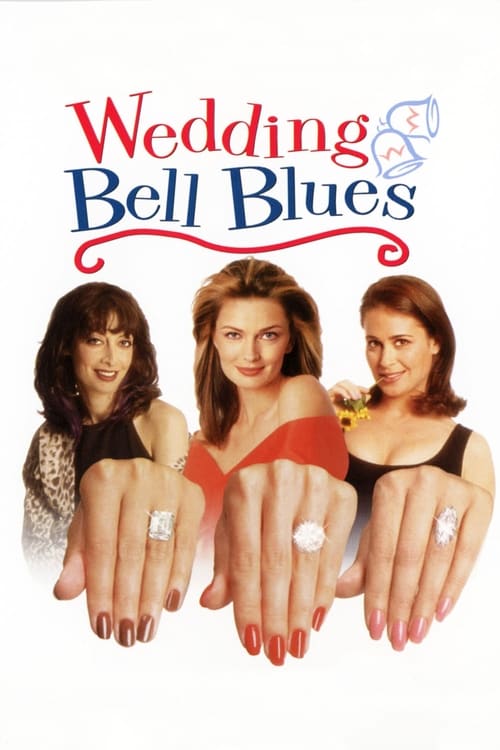
Wedding Bell Blues
1996
No user ratings available yet
Representation score: 5.7 out of 10
Representation Score
Limited
1996
PG-13Director
Matthew Irmas
Runtime
96 minutes
Average Rating
No ratings yetNew Showbiz Analysis
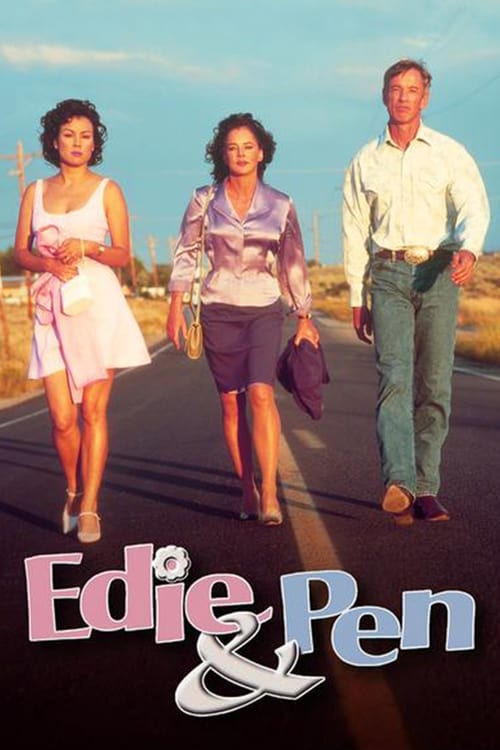
Edie & Pen succeeds as a character-driven exploration of female solidarity and autonomy. By focusing on the dissolution of marriages and the subsequent friendship between two women, the film effectively shifts the narrative focus away from patriarchal structures toward female empowerment. However, the film lacks breadth in its cultural and racial representation. The setting and cast reflect a demographic homogeneity typical of mid-century period pieces, focusing almost exclusively on white, straight relationships. This narrow scope limits the film's cultural depth. Ultimately, while the film challenges traditional gender dynamics, it remains firmly rooted in traditional demographic and cultural frameworks, offering a specialized rather than a broad social perspective.
Category Breakdown
The film adheres to a conventional focus on straight relationships, with the protagonists' stories centered around their connections with men, excluding any queer narratives.
The story emphasizes the role of women by highlighting two women reclaiming their lives. It challenges traditional gender roles by showing male figures as absent or emotionally distant.
Set in a 1960s urban environment, the film features a predominantly white cast. It portrays the era with a traditional, Anglo-centric lens, lacking in racial diversity.
The narrative critiques the institution of marriage when it fails individuals. It explores personal freedom against the social constraints of the 1960s within a Western middle-class context.
There is no notable focus on physical or neurodivergent disabilities. No significant characters are defined by these traits.
Present on Screen
Limited or Absent
Official Synopsis
In this comedy, two women head for Reno to get simultaneous quicky divorces and end up becoming friends. Edie was married years ago, but her husband abandoned her two weeks after the wedding. Pen spent nine years married to an ice-cold businessman who neglected her.
1996
1939

2020
1995
2000

2004
1934

2016
No reviews yet. Be the first to share your thoughts on this movie!
Use the rating form above to leave a star rating and optional review.