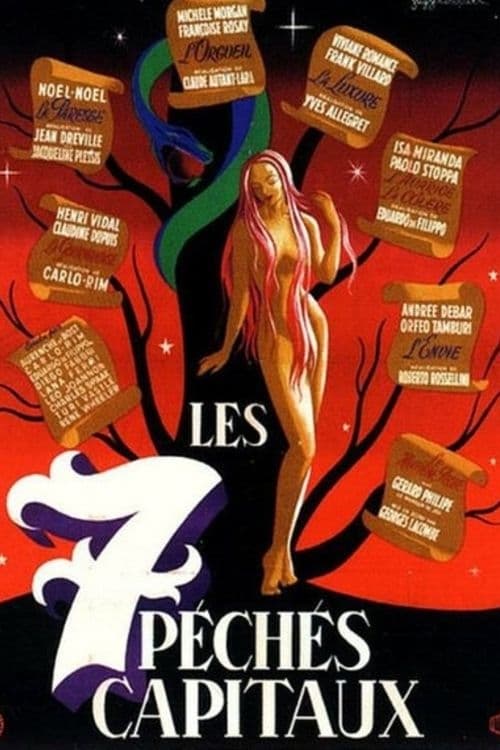
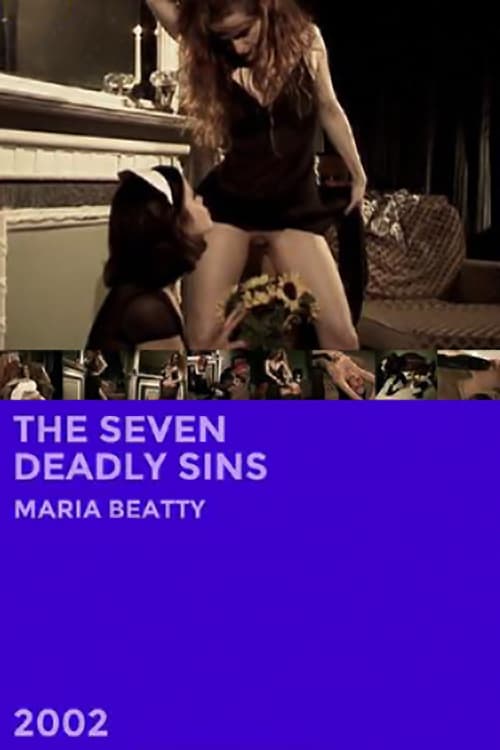
The Seven Deadly Sins
1952
No user ratings available yet
Representation score: 3.4 out of 10
Representation Score
Fair
2002
XDirector
Maria Beatty
Runtime
50 minutes
Average Rating
No ratings yetNew Showbiz Analysis
The film explores power dynamics and subverts social hierarchies. It excels in challenging traditional gender roles and power structures. However, it lacks evidence of racial diversity or disability inclusion, limiting its broader impact on characters who reflect more than one aspect of diversity. While it effectively repurposes religious iconography, it primarily focuses on class and dominance.
Category Breakdown
The film focuses on a close, intense relationship between a mistress and her maid, suggesting queer desire through sensual interactions, though it does not explicitly confirm specific identities.
The story challenges traditional gender roles by placing the female character in a position of power and control. By making the mistress the dominant figure, the film overturns typical patriarchal structures.
There is no evidence of racial diversity in the provided context. The 1920s setting and focus on class-based servitude risk a homogeneous, Eurocentric portrayal of the era.
The film uses Christian iconography, such as the Seven Deadly Sins, to explore personal indulgence and challenge established religious and social morals.
The narrative does not include any references to neurodivergence, physical disabilities, or mental health issues.
Present on Screen
Limited or Absent
Official Synopsis
The Seven Deadly Sins reveals a new setting for a mistress and her young maid: the roaring 20's when decadence was a privilege. The mistress is an expert in the art of sensual torment, and she punishes her servant in a re-enactment of the lessons of Seven Deadly Sins.
1952
2011
1959
1967
1988
1977
1984
2015
No reviews yet. Be the first to share your thoughts on this movie!
Use the rating form above to leave a star rating and optional review.