
Thomas & Friends: On Site with Thomas and Other Adventures
2006
No user ratings available yet
Representation score: 1.6 out of 10
Representation Score
Limited
2004
TV-YDirector
Steve Asquith
Runtime
38 minutes
Average Rating
No ratings yetNew Showbiz Analysis
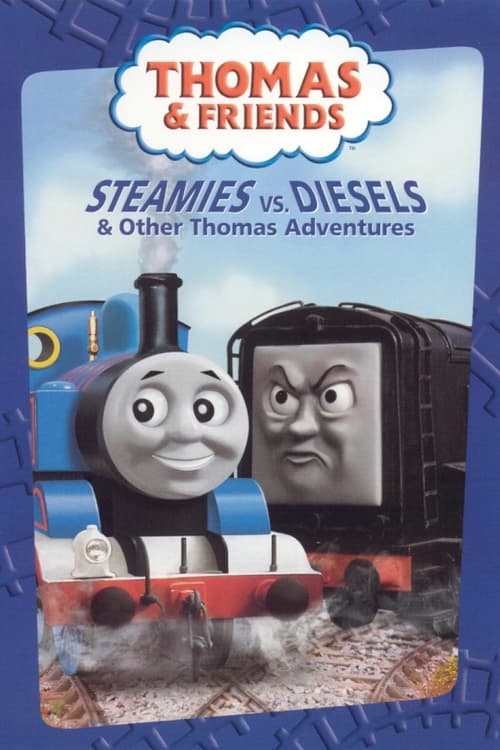
The film uses a binary framework of Steam engines versus Diesel engines to explore group identity and social cohesion. While this mirrors social integration narratives, the underlying message focuses on mechanical utility and industrial cooperation. The narrative structure emphasizes the stability of established institutions and the importance of functional utility. It reinforces respect for authority and the maintenance of systemic order within the railway setting. Ultimately, the film serves as a traditional study of internal group conflicts. It resolves these tensions through productivity rather than exploring diverse identities or challenging existing social hierarchies.
Category Breakdown
The film does not include any characters with non-straight sexual orientations or gender identities. The focus is solely on the functionality of the engines.
Leadership is dominated by Sir Topham Hatt, a paternalistic figure representing traditional authority. The story does not challenge gendered power structures or feature diverse representations of competence.
The Island of Sodor is portrayed as a uniform industrial landscape. The main distinctions are between Steam engines and Diesels, not racial or ethnic diversity.
The story emphasizes Western institutional values by prioritizing productivity and merit. Social harmony is achieved through adherence to the railway system's rules.
Gordon’s mechanical issues are used as a plot device highlighting his physical limitations. These problems are framed as hindrances to productivity rather than detailed character studies.
Present on Screen
Limited or Absent
Official Synopsis
On the Island of Sodor, two kinds of engines help keep Sir Topham Hatt's railway running smoothly - steamies and Diesels. But is the island big enough for both? It's not always easy for these engines to put aside their differences and work together. See what happens when the diesels tease Thomas. Will Thomas come to their aid when they need this Really Useful steamie's help? And when Gordon develops some very loud squeaks and rattles, will Sir Topham Hatt retire him to the yard for good? That's what the diesels say! Get on board with the steamies and the Diesels and see how they finally learn that, from brake pipe to buffer, all engines are more alike than not.
2006

2018
2003
2009
2006
2004
1993

2004
No reviews yet. Be the first to share your thoughts on this movie!
Use the rating form above to leave a star rating and optional review.