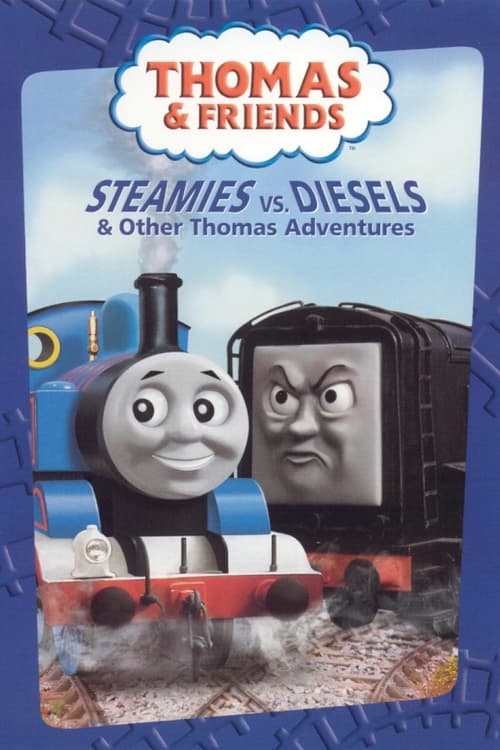
Thomas & Friends: Steamies vs. Diesels and Other Thomas Adventures
2004
No user ratings available yet
Representation score: 2.3 out of 10
Representation Score
Limited
2006
TV-YDirector
Steve Asquith
Runtime
60 minutes
Average Rating
No ratings yetNew Showbiz Analysis
The film functions as a traditionalist narrative that prioritizes industrial cohesion and hierarchical stability. It emphasizes the value of labor and respect for established management through the leadership of the Fat Controller. Because the characters are anthropomorphic machines, the film lacks traditional racial, ethnic, or LGBTQ+ representation. The focus remains strictly on mechanical utility and the rivalry between steam and diesel engines. Ultimately, the work reinforces conventional social orders and institutional respect rather than offering complex or subversive themes.
Category Breakdown
The film focuses entirely on anthropomorphic locomotives in an industrial setting. There is no presence of non-binary or LGBTQ+ identities or same-sex relationships.
Female engines like Emily are present, but they operate within a rigid, masculine-coded industrial hierarchy. They have ability to act but do not challenge traditional gender roles.
As the cast consists of machines, traditional racial or ethnic representation is absent. The setting functions as a homogeneous community focused on mechanical distinctions.
The narrative reinforces Western values of industriousness and hierarchy. It centers on centralized authority and the importance of structured labor to achieve economic goals.
There is no explicit depiction of physical or neurodivergent disabilities. Mechanical mishaps are treated as situational obstacles rather than representations of lived disability.
Present on Screen
Limited or Absent
Official Synopsis
The Island of Sodor's railway is to help in the construction of a new airport, but a fierce summer storm and a rivalry between the steam and diesel engines endanger the job.
2004
2008

2006
2008
2003
2011
2009
1999
No reviews yet. Be the first to share your thoughts on this movie!
Use the rating form above to leave a star rating and optional review.