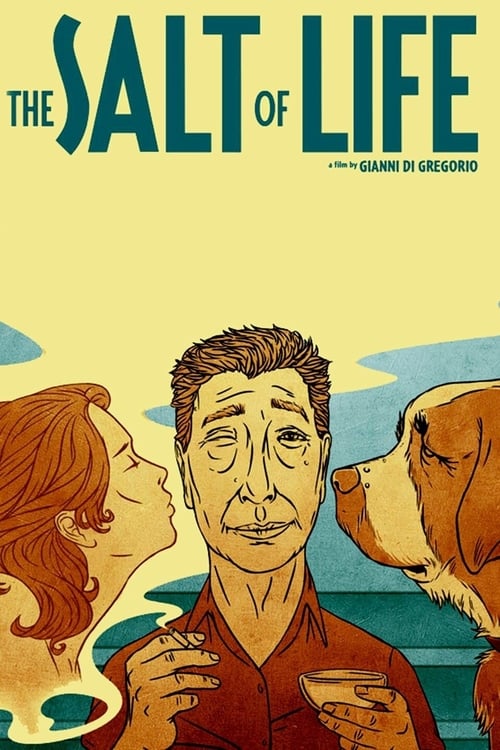
The Salt of Life
2011
No user ratings available yet
Representation score: 2.4 out of 10
Representation Score
Fair
2022
Director
Gianni Di Gregorio
Runtime
97 minutes
Average Rating
No ratings yetNew Showbiz Analysis
Astolfo is a character study centered on late-life reinvention and emotional evolution. It portrays the elderly as dynamic individuals capable of social reconfiguration rather than static figures of authority. The film's strength lies in its depiction of unconventional communal living. This arrangement challenges standard Western emphases on nuclear family structures and individualistic property ownership. However, the film lacks significant breadth in identity representation. The setting is culturally homogeneous, and the narrative does not engage with LGBTQ+ identities or disability representation.
Category Breakdown
The film focuses on a romantic pursuit between Astolfo and Stefania. There are no explicit depictions of LGBTQ+ identities or non-straight relationships.
Astolfo challenges the stable patriarch cliché by becoming vulnerable after being evicted. However, the female lead's role is described using traditional positive traits like charm and generosity.
Set in a remote village in Abruzzo, the film maintains a culturally homogeneous atmosphere. The focus on family patrimony suggests a localized, traditional demographic focus typical of regional realism.
The story critiques modern economic structures through the lens of housing loss. It highlights a communal, non-capitalist social structure that prioritizes interpersonal connections over institutional stability.
There are no visible or mentioned depictions of physical, sensory, or neurodivergent disabilities within the provided context.
Present on Screen
Limited or Absent
Official Synopsis
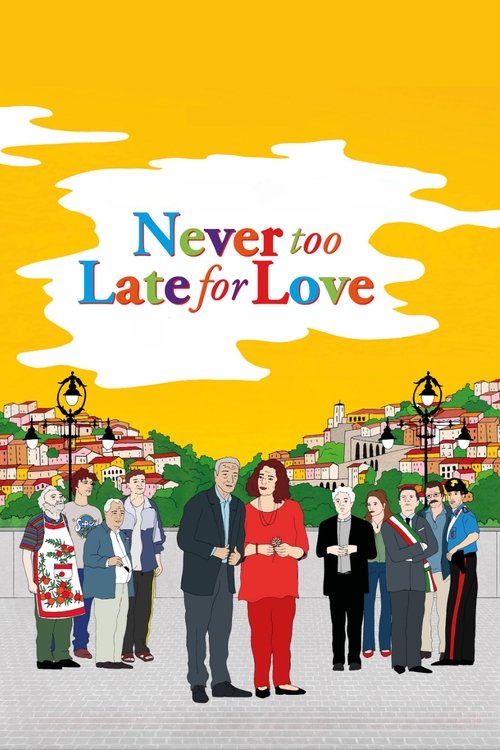
Astolfo, a retired professor evicted from his apartment, decides to move into an old noble but decrepit palace, the last remnant of his family patrimony in a remote village of Abruzzo, where he hasn't been for decades. Soon enough, as a newcomer, he befriends a vagabond, a retired chef and a young handyman. A group of four live harmoniously at his place when he comes across Stefania, a charming and generous woman of his age. Astolfo falls in love and struggles with feelings he thought belonged to the past. Encouraged by his loyal group, Astolfo makes a brave step and learns delightedly that it's never too late to fall in love.
2011
2008

2025

2013

2016

1971
2018

2015
No reviews yet. Be the first to share your thoughts on this movie!
Use the rating form above to leave a star rating and optional review.