
Paris Follies
2014
No user ratings available yet
Representation score: 5.8 out of 10
Representation Score
Fair
2018
Director
Hella Joof
Runtime
96 minutes
Average Rating
No ratings yetNew Showbiz Analysis
Happy Ending offers a refreshing look at identity and autonomy in the later stages of life. By dismantling the 'happily ever after' cliché, the film prioritizes personal growth over the preservation of a fifty-year marriage. The film's greatest impact comes from its authentic Nigerian setting and its subversion of gendered expectations. It moves away from patriarchal domesticity to show a woman navigating her own journey of discovery. While the film lacks queer representation or disability inclusion, its refusal to adhere to traditional marital permanence makes it a progressive character study.
Category Breakdown
The film operates within a framework that assumes everyone is straight or cisgender. It focuses on the reconfiguration of traditional marital bonds rather than exploring queer narratives or non-cisgender identities.
The narrative disrupts traditional hierarchies by giving the female protagonist significant control over her story. She reclaims her identity and emotional independence rather than remaining a passive recipient of her husband's decisions.
The production excels by centering the Nigerian experience through a predominantly Black cast. Setting the story in Lagos provides a nuanced, non-Western perspective on middle-class life and aging.
The story explores subjective morality and the instability of social contracts. It focuses on individual struggles against societal expectations of fidelity rather than critiquing systemic political frameworks.
There is no significant evidence regarding the inclusion of characters with visible or invisible disabilities within the narrative.
Present on Screen
Limited or Absent
Official Synopsis
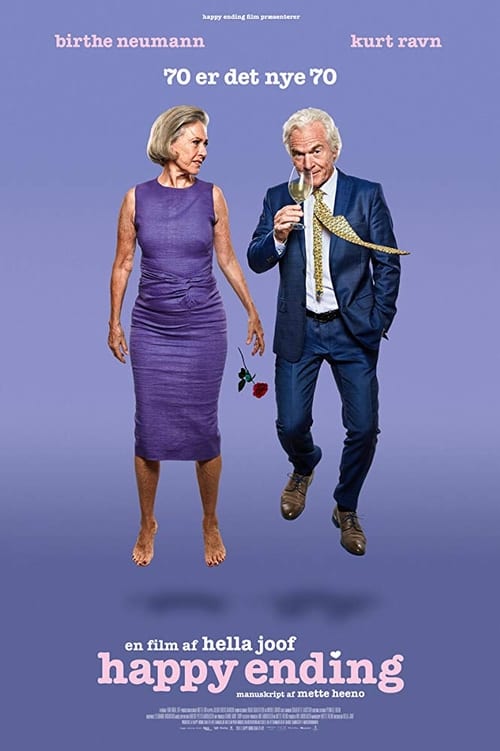
Helle has been waiting forever for her workaholic husband Peter to retire, so they can enjoy the autumn of their life together. She really wants to travel and explore the world with him – but when Peter comes home from his last day at work, life takes a surprisingly new turn, as he has a big surprise for her; he is pursuing a new career as a wine importer and has invested all their savings in an exclusive vineyard in Austria! Helle and Peter split up and they each set out on a blazing journey of discovery, filled with new opportunities, problems and dreams… But can you start over after 50 years of marriage? And can you live without each other after all?
2014

2013

2017
2020

2018

2015

2022

2013
No reviews yet. Be the first to share your thoughts on this movie!
Use the rating form above to leave a star rating and optional review.