
Hellbender
2021
No user ratings available yet
Representation score: 8.1 out of 10
Representation Score
Good
2019
Director
Mark Bakaitis
Runtime
83 minutes
Average Rating
No ratings yetNew Showbiz Analysis
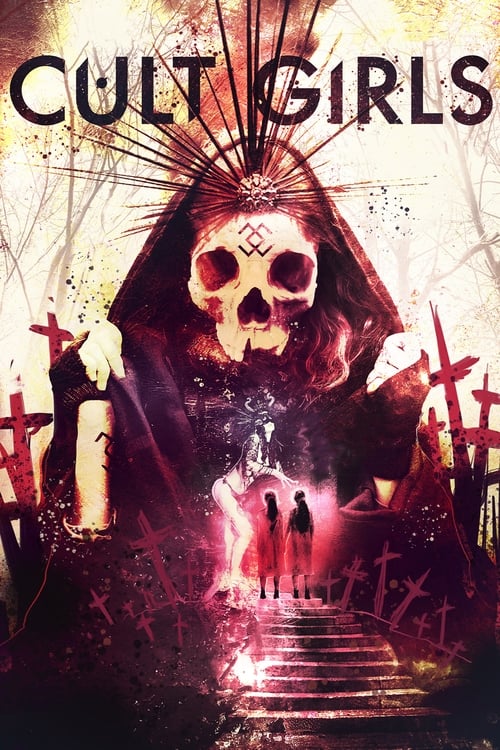
Cult Girls stands out by replacing traditional Western religious and familial structures with pagan, mythological frameworks. The film's strength lies in its cultural deconstruction and its focus on female-driven investigative arcs. While the narrative successfully avoids many mainstream cinematic clichés through its use of Baltic mythology, it lacks specific evidence regarding LGBTQ+ or disability representation. The focus remains primarily on the psychological fallout of religious isolation and the protagonist's personal journey. Ultimately, the film offers a meaningful departure from traditionalist morality, providing a unique perspective through its embrace of non-Western spiritualism and matriarchal hierarchies.
Category Breakdown
The film emphasizes sibling bonds and pagan mythology rather than non-straight relationships. Themes of reincarnation allow for identity fluidity, but there is no clear depiction of LGBTQ+ characters taking active roles.
The story centers on women's experiences and women's ability to drive the story. Dalia drives the plot through a personal quest, disrupting typical horror clichés by focusing on women within a goddess-led hierarchy.
By using Baltic mythology, the film moves away from Anglo-Saxon folklore. While specific character races are unconfirmed, the use of non-Western spiritual frameworks provides a moderate boost to diversity.
The film subverts traditional Western religious institutions by centering a pagan, apocalyptic cult. It replaces standard societal norms with a subjective, mythological morality centered on ancient spiritual frameworks.
There is no mention of characters with visible or invisible disabilities. No information is available to assess this category.
Present on Screen
Limited or Absent
Official Synopsis
Dalia and her two young sisters grow up in a pagan apocalyptic cult led by an ancient Baltic goddess of death and reincarnation. On the night of an important cult ritual, a police raid rescues Dalia as cult members flee with her two sisters. Years later, as the guilt eats away at her, Dalia finds a potential link to the cult through a prominent and despised black metal artist sequestered in the woods. Dalia journeys to find her sisters but her quest for the truth becomes a descent into Hell.
2021
2014
2021
2022
2021

2008
2017
2018
No reviews yet. Be the first to share your thoughts on this movie!
Use the rating form above to leave a star rating and optional review.