
The Wicker Man
2006
No user ratings available yet
Representation score: 4.7 out of 10
Representation Score
Limited
2018
TV-MADirector
Gareth Evans
Runtime
129 minutes
Average Rating
No ratings yetNew Showbiz Analysis
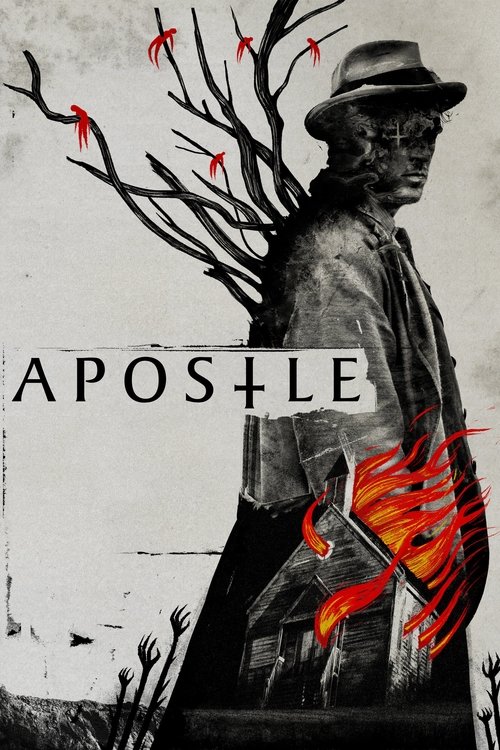
Apostle is a sophisticated folk-horror film that prioritizes intellectual engagement over broad demographic representation. It succeeds by breaking down institutional power and questioning the superiority of modern capitalist and religious structures. While the film lacks LGBTQ+ and racial diversity, it offers a profound critique of systemic order. It replaces traditional morality with a harsh, ritualistic social logic that forces viewers to navigate complex moral relativism. Ultimately, the film's strength lies in its subversion of Western values, even as it operates within the demographic constraints of its historical period.
Category Breakdown
The film doesn't include any LGBTQ+ characters or explore non-straight identities. It centers on family ties and the cult's ritual hierarchy.
Women play key roles in the story, especially through the kidnapped sister who drives the narrative. However, their roles are shaped by the cult's strict rules.
The mostly white cast reflects the 1905 colonial era. The film highlights the tension between the modern protagonist and the evolving society of the islanders.
The film effectively critiques organized religion and Western institutions. It presents a terrifying pagan community that challenges traditional Christian morals.
There are no prominent depictions of disabilities, either visible or invisible, used as central character traits or plot devices.
Present on Screen
Limited or Absent
Official Synopsis
In 1905, a man travels to a remote island in search of his missing sister who has been kidnapped by a mysterious religious cult.
2006
1943

2016

1975

1993

2019

2020
2011
No reviews yet. Be the first to share your thoughts on this movie!
Use the rating form above to leave a star rating and optional review.