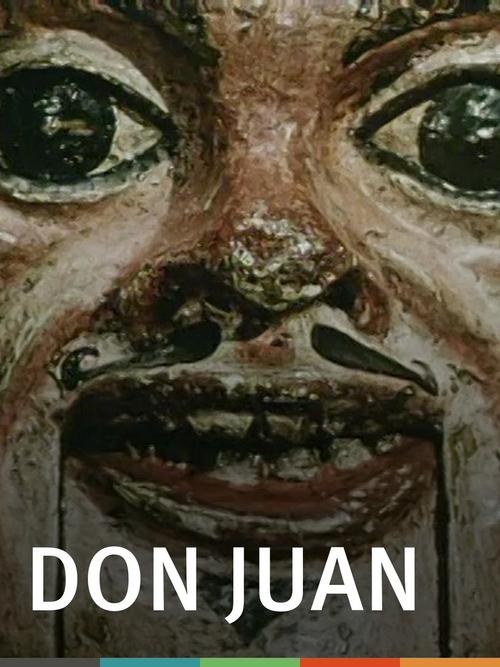
Don Juan
1969
No user ratings available yet
Representation score: 0.9 out of 10
Representation Score
Fair
1965
Director
Jiří Trnka
Runtime
29 minutes
Average Rating
No ratings yetNew Showbiz Analysis
Jiří Trnka’s animation uses a ribald Boccaccio adaptation to launch a sophisticated satire against religious and moral authority. The film mocks the gap between spiritual claims and human behavior through the monk's deception. However, it remains limited by its historical setting and traditional narrative focus, lacking modern markers of diversity. Its progressive value lies in celebrating human ability to act and skepticism toward established religious structures. The work remains tethered to a European Renaissance framework, focusing on historical satire rather than contemporary diversity issues.
Category Breakdown
The story focuses on heterosexual desire and deception, challenging strict religious codes around sexuality. It does not include specific non-traditional gender characters but disrupts rigid religious rules.
The film challenges male-dominated hierarchies by showing a monk as a foolish impostor. The female protagonist asserts herself through her emotional and physical desires, which disrupt the clerical order.
Set in Renaissance Venice, the narrative is grounded in a specific European historical context. There is no evidence of ethnic diversity or intentional racial blending within the story.
The film excels at criticizing Western institutions by mocking false piety. It emphasizes subjective human impulses over institutional dogma, presenting the clergy as hypocritical.
There is no discernible evidence regarding the portrayal of physical or neurodivergent disabilities in this work.
Present on Screen
Limited or Absent
Official Synopsis
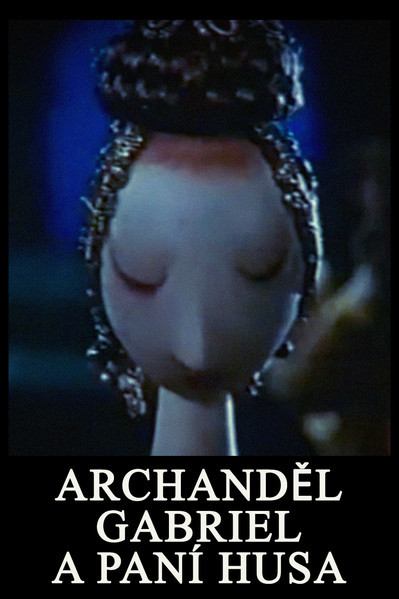
Taken from Boccaccio's Decameron, this lovely puppet film tells the bawdy story of the beautiful young Venetian lady who confesses her sinful passion for the Archangel Gabriel to a lustful monk, who promptly impersonates him in her bedroom with predictable results. Amidst the film's ribaldry, the hypocrisy and false piety of the monk are mercilessly mocked.
1969

1973
1987
1980
1973
1959
1949

1966
No reviews yet. Be the first to share your thoughts on this movie!
Use the rating form above to leave a star rating and optional review.