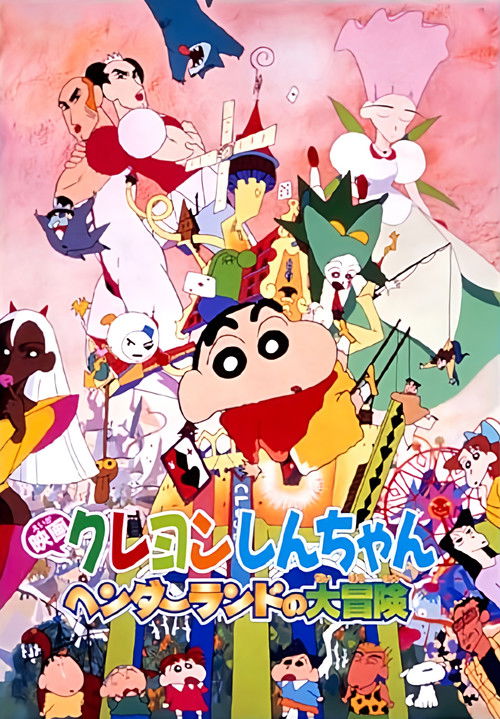
Crayon Shin-chan: Great Adventure In Henderland
1996
No user ratings available yet
Diversity score: 3.8 out of 10
2020
TV-YDirector
Junichi Sato, Haruka Kamatani
Runtime
92 minutes
Average Rating
No ratings yetSynopsis
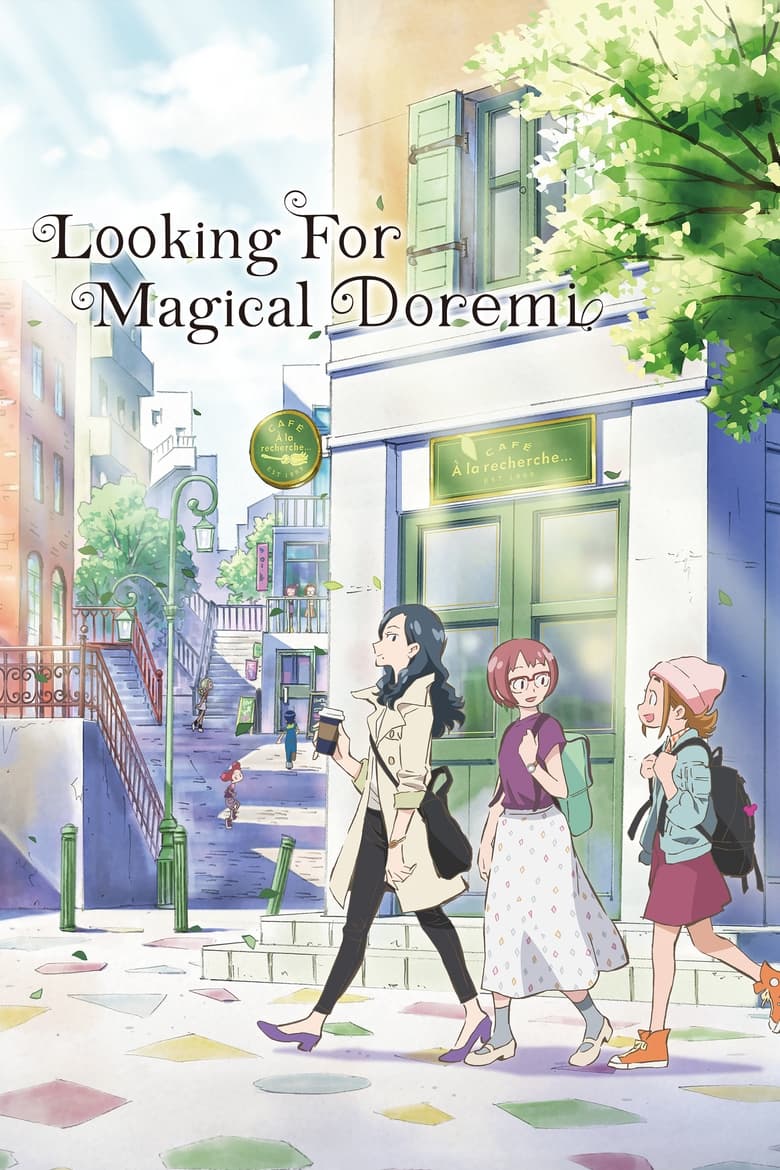
Three women – 27 year old Tokyo office worker Mire Yoshizuki, 22 year old fourth-year college student Sora Nagase, and 20 year old boyish, part-time Hiroshima okonomiyaki shop worker and freelancer Reika Kawatani – are drawn together by a magic gem.
Overall Score
Fair
Category Breakdown
LGBTQ+ Representation
The characterization of Reika Kawatani as boyish offers a departure from traditional feminine presentation. While specific romantic identities are not explicitly confirmed, this subversion provides a foundation for non-heteronormative exploration.
Gender Representation
The story disrupts conventional hierarchies by centering the plot entirely on three women. By placing a corporate professional and a student in positions of agency, it moves away from male-led adventure tropes.
Racial & Ethnic Diversity
Set in contemporary Japan, the cast appears ethnically homogeneous. The narrative focuses on diverse internal life stages rather than racial or ethnic blending within the provided context.
Religious & Cultural Diversity
The narrative prioritizes individualistic journeys and varied lifestyles over rigid institutional frameworks. It offers a nuanced view of modern societal structures through its focus on corporate and freelance work.
Disability Representation
There is no mention of characters with visible or invisible disabilities in the current character descriptions.
Strengths
Areas for Improvement
AI Analysis
Looking for Magical Doremi succeeds in centering female agency through a triad of protagonists at different life stages. By focusing on a corporate worker, a student, and a freelancer, the film explores diverse adult identities and social dynamics. The production challenges gendered aesthetics through Reika's boyish presentation and avoids traditional patriarchal adventure tropes. This creates a character-centric exploration of identity that feels modern and intentional. However, the work lacks racial and ethnic variety, remaining focused on a homogeneous Japanese setting. Without explicit LGBTQ+ markers or disability representation, the diversity remains concentrated within gender and lifestyle perspectives.
No reviews yet. Be the first to share your thoughts on this movie!
Use the rating form above to leave a star rating and optional review.